
Whales & Dolphins
The coastline of Rooiels is part of one of the richest marine corridors in the southern hemisphere. Throughout the year, various species of whales and dolphins move past our shoreline, sometimes close enough to be seen from the coastal paths, beaches, and elevated viewpoints.
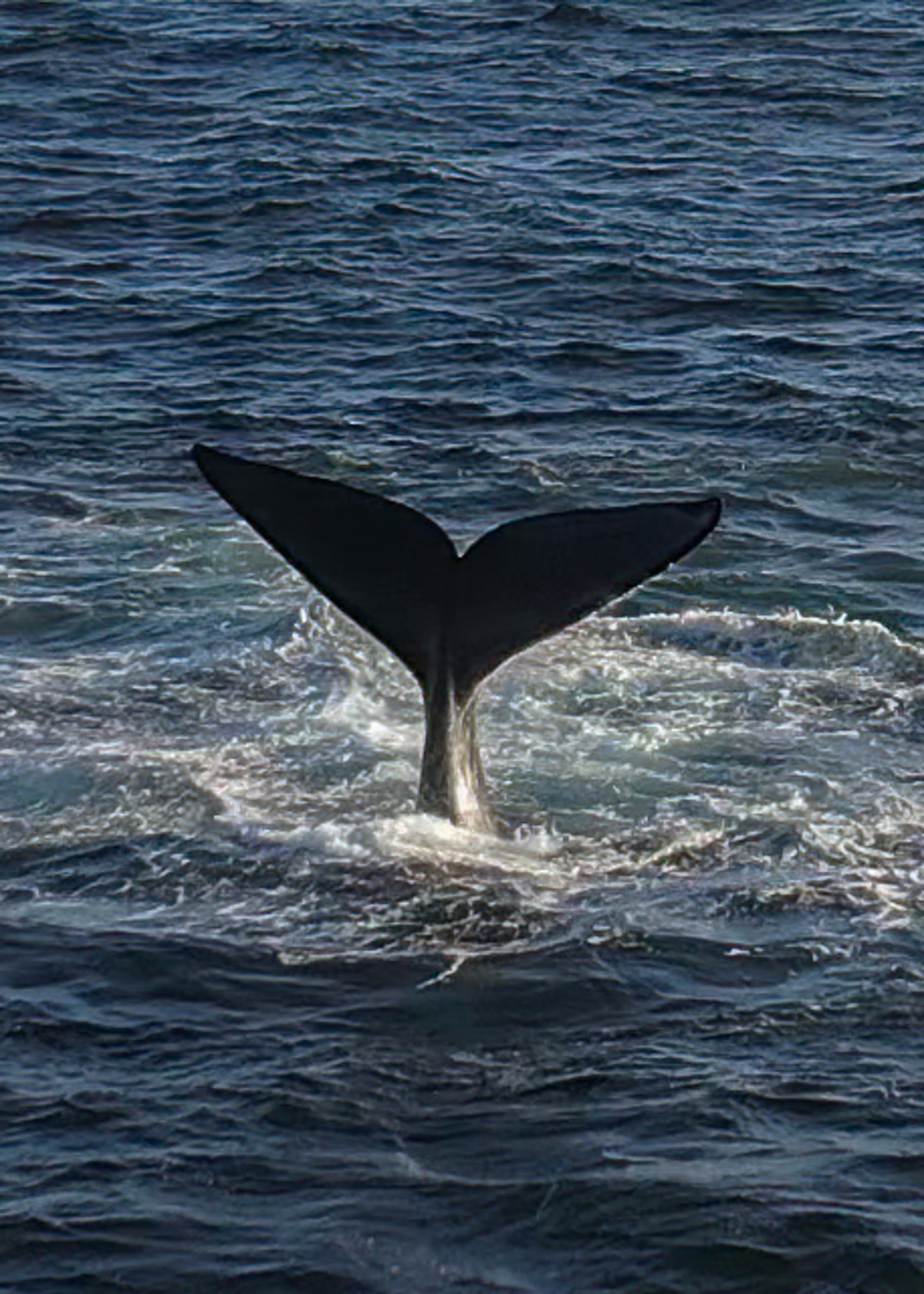
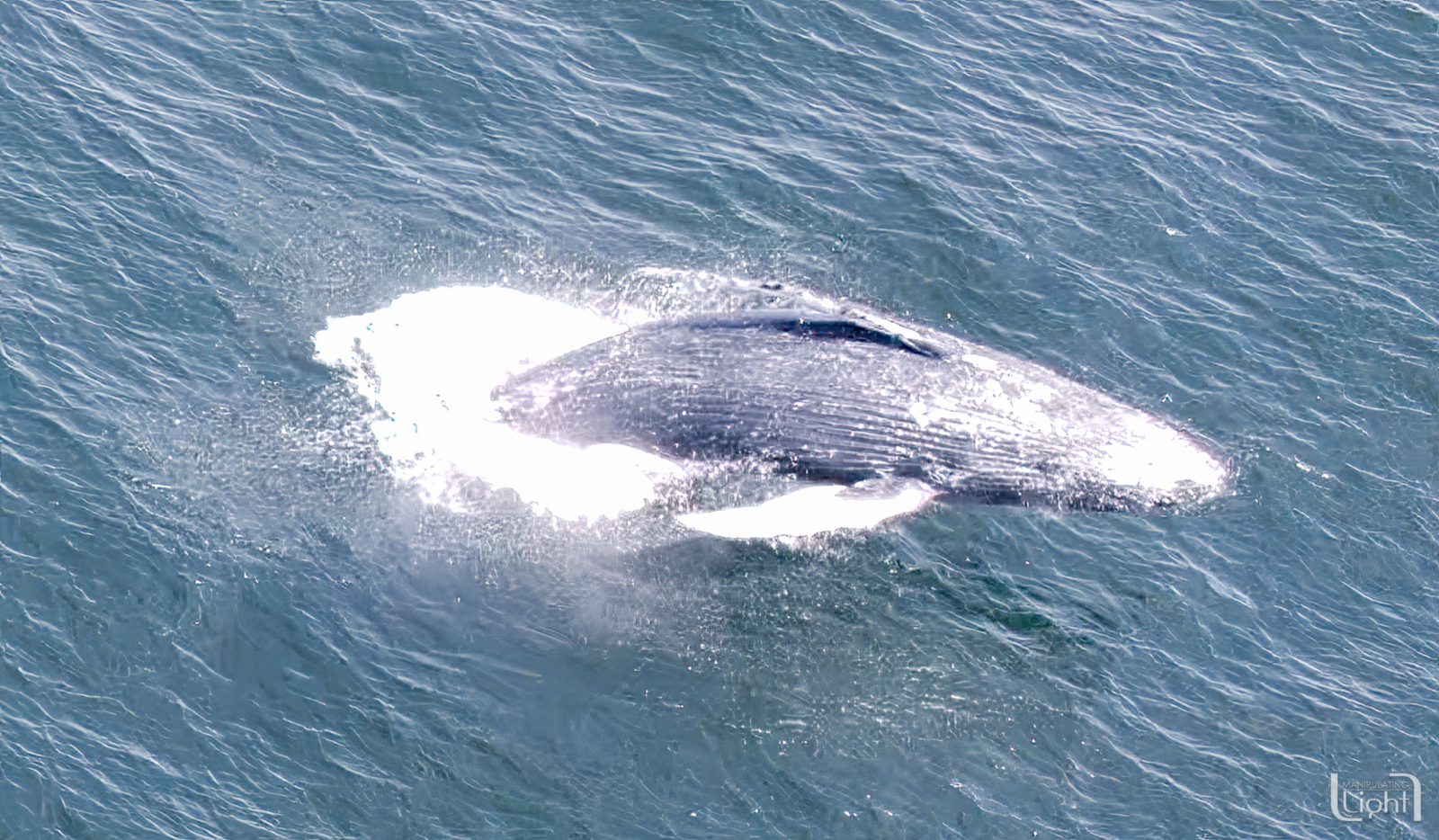
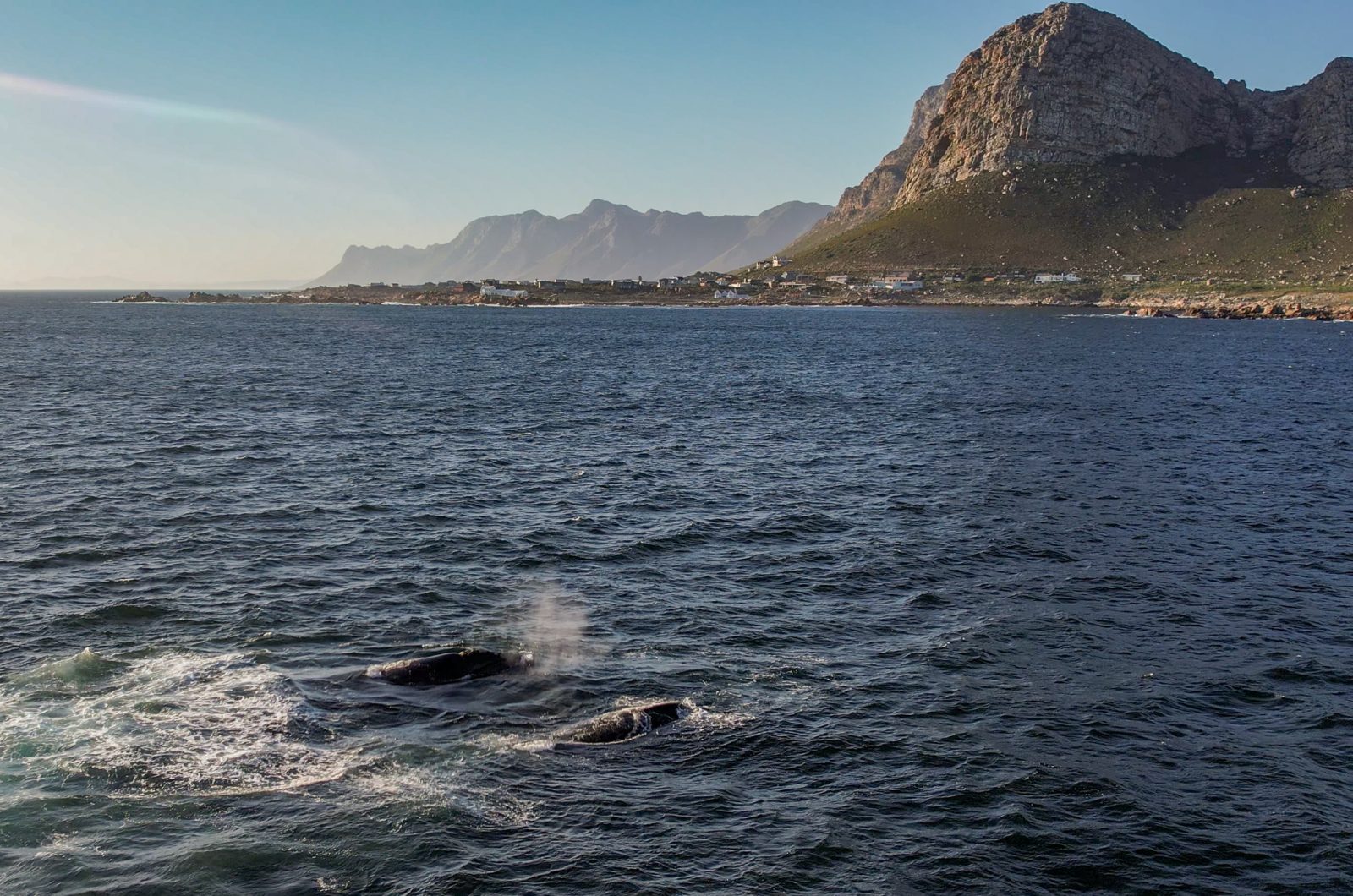
Most iconic among them is the Southern Right Whale (Eubalaena australis), which visits the Western Cape coast between roughly June and November to calve and nurse its young. Bryde’s Whales, by contrast, are present year-round.
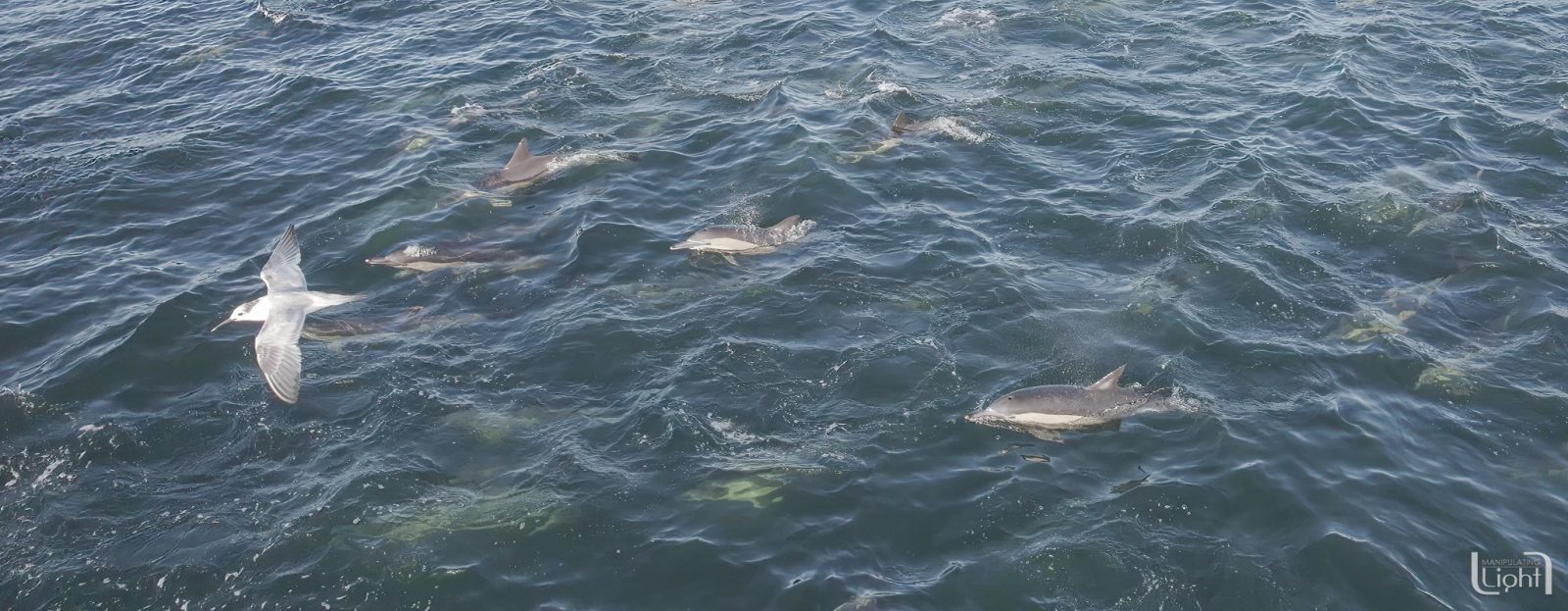
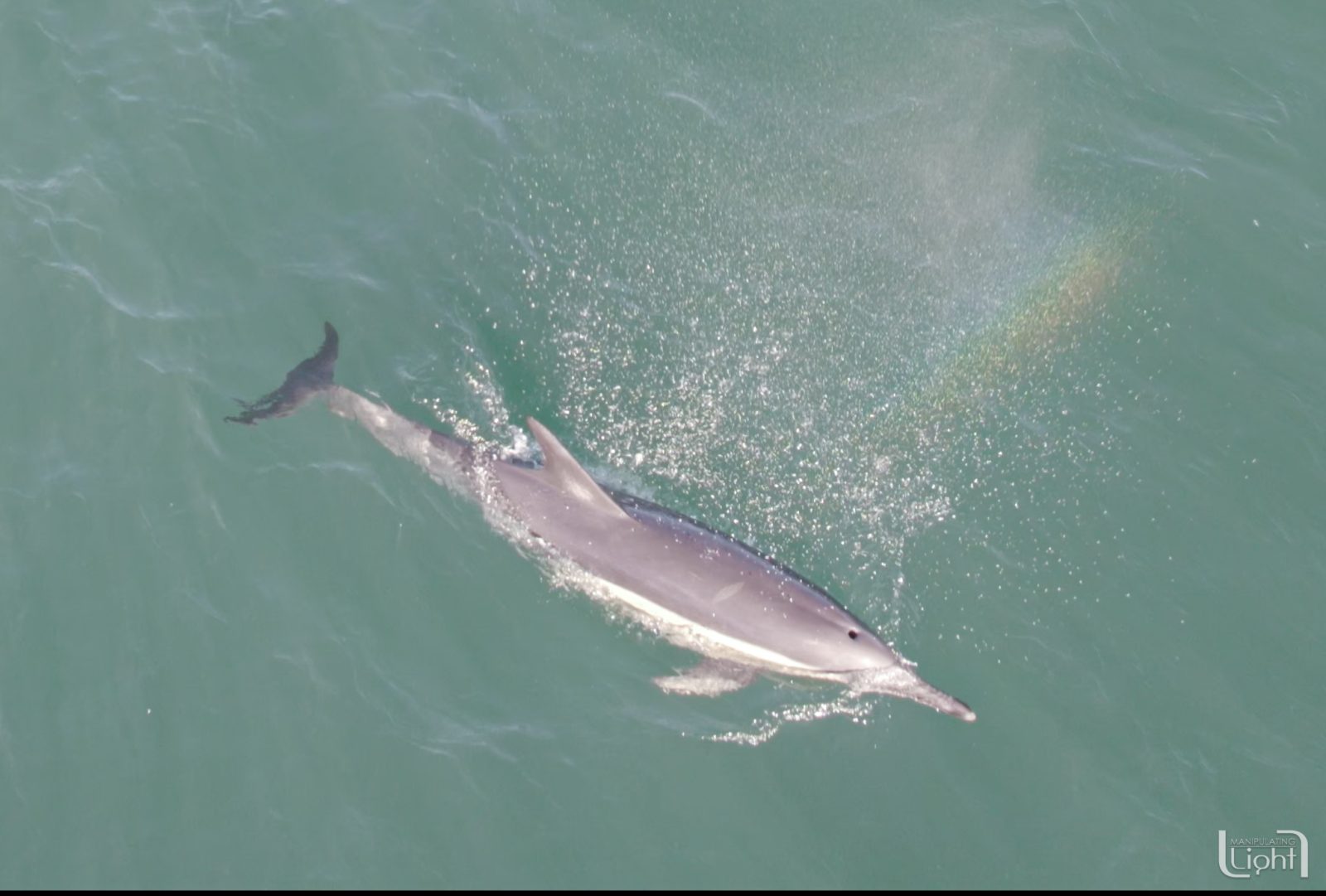
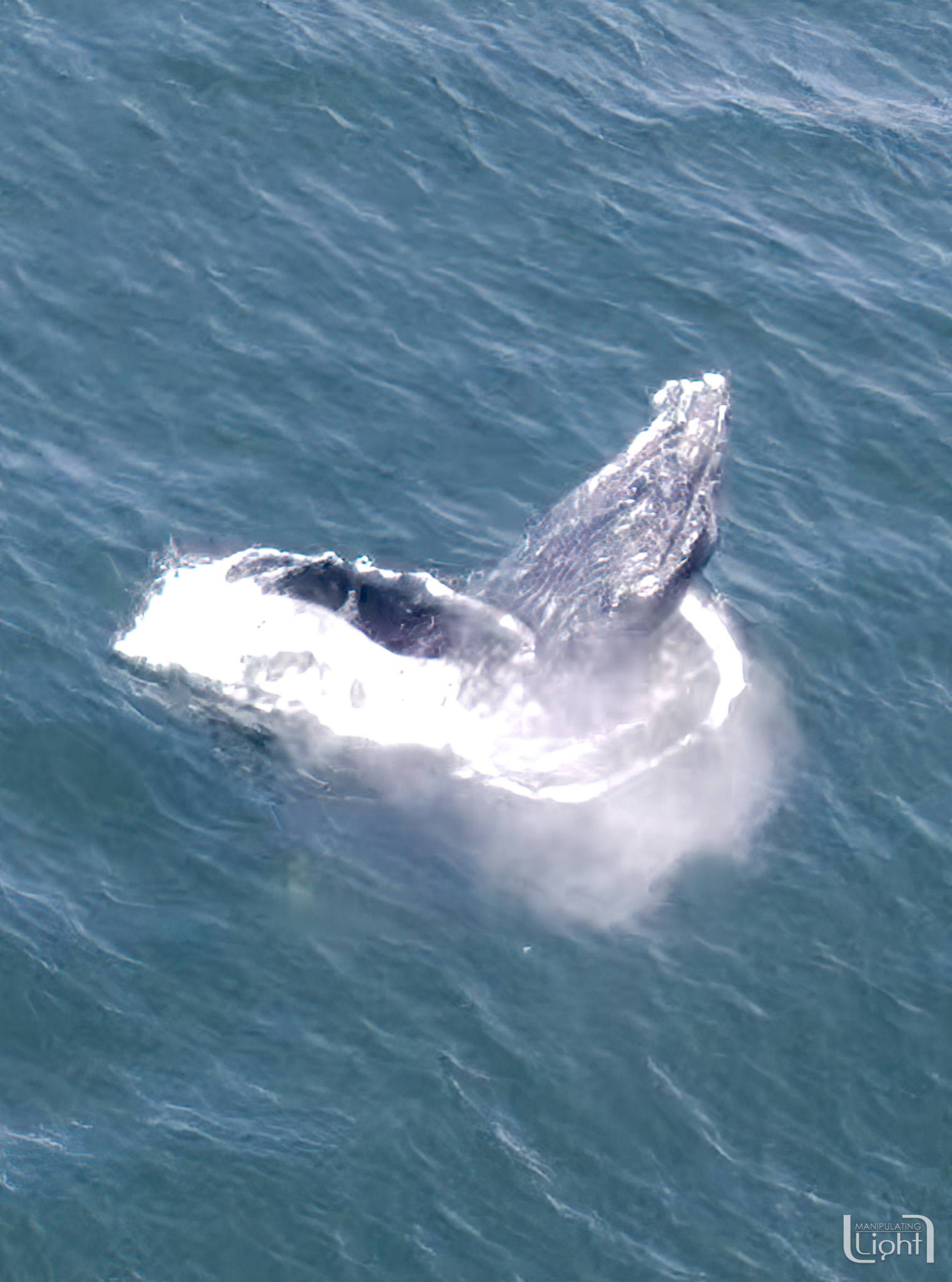
Other species recorded offshore include Humpback Whales (Megaptera novaeangliae) during migration, and several dolphin species such as the Common Dolphin (Delphinus delphis) and Heaviside’s Dolphin (Cephalorhynchus heavisidii). If you’re lucky, you might see a pod converging on a bait ball, accompanied by flocks of seabirds and some of our local seals.
Most whale species found off our coast were heavily exploited during the era of commercial whaling but are now protected internationally. Southern Right Whales have shown encouraging recovery, but all species remain vulnerable to threats such as ship strikes, entanglement in fishing gear, noise pollution and climate-related shifts in prey availability. Today, all whales and dolphins are protected in South African waters.
Our relatively undeveloped coastline is an important part of a much larger marine ecosystem.
🙋 How you can help
- Don’t get too close if you’re in a boat or kayak. You must stay at least 300 metres away.
- Help out with beach cleanups.
- Report stranded or distressed marine mammals – numbers are in the wildlife emergency contact list.
- Dispose of fishing gear, net and line responsibly.
Latest updates
Did You Know?
◻️ Heaviside’s dolphins are one of the smallest and least-studied dolphin species in the world. They are classified as “Near Threatened”.
◻️ Bryde’s whales are named after Norwegian whaler Johan Bryde, and have three ridges on the top of their heads.
◻️ Southern Right whales have rough patches called callosities on their heads, unique to each individual, like fingerprints.
◻️ Whale calves swim alongside their mothers in a “shadow” position to conserve energy and learn safe navigation routes.
About Whales & Dolphins
Southern Right Whales often come close to shore to calve. Their massive size is impressive – they can grow to lengths of up to 18 metres and weigh over 50 tonnes.
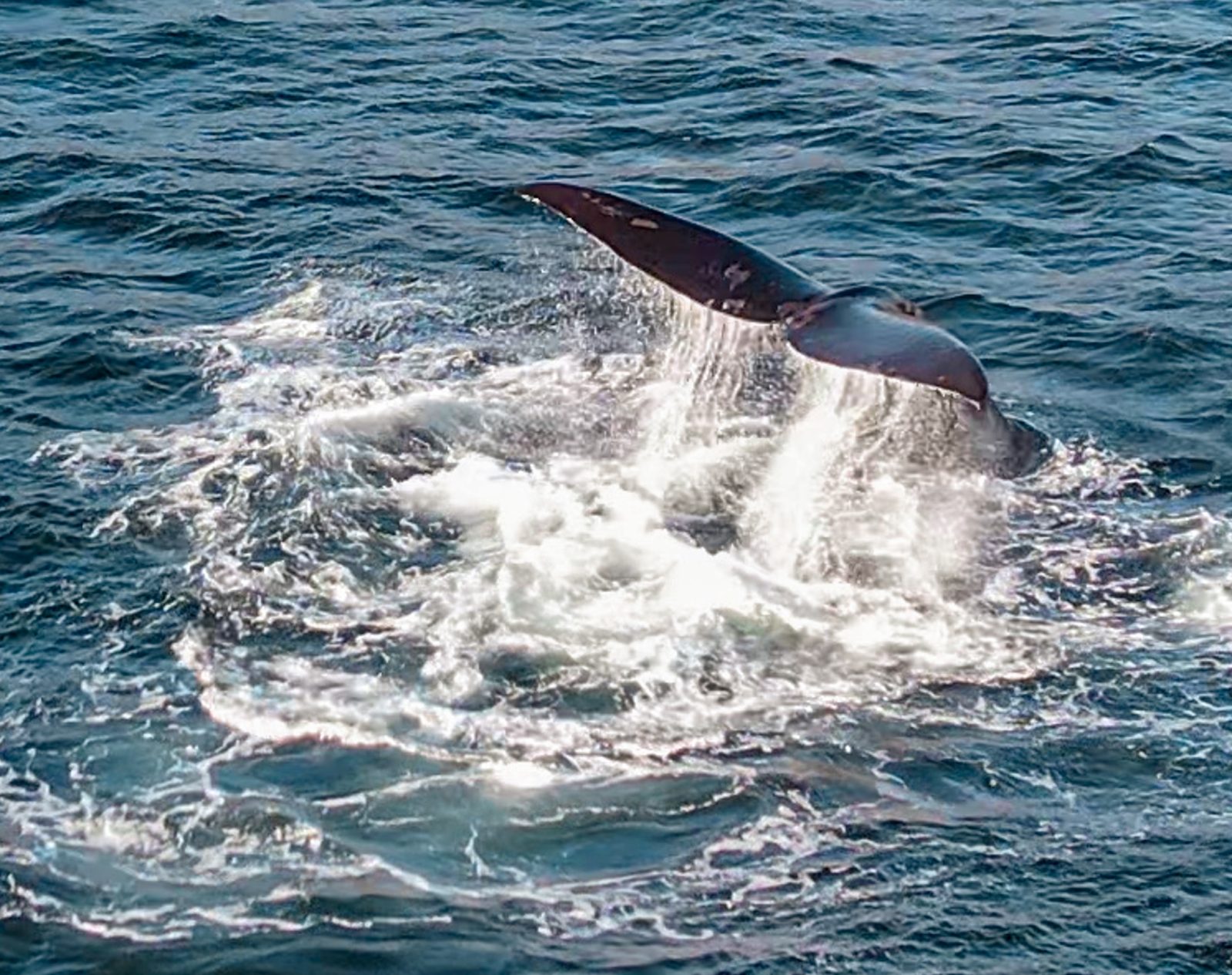
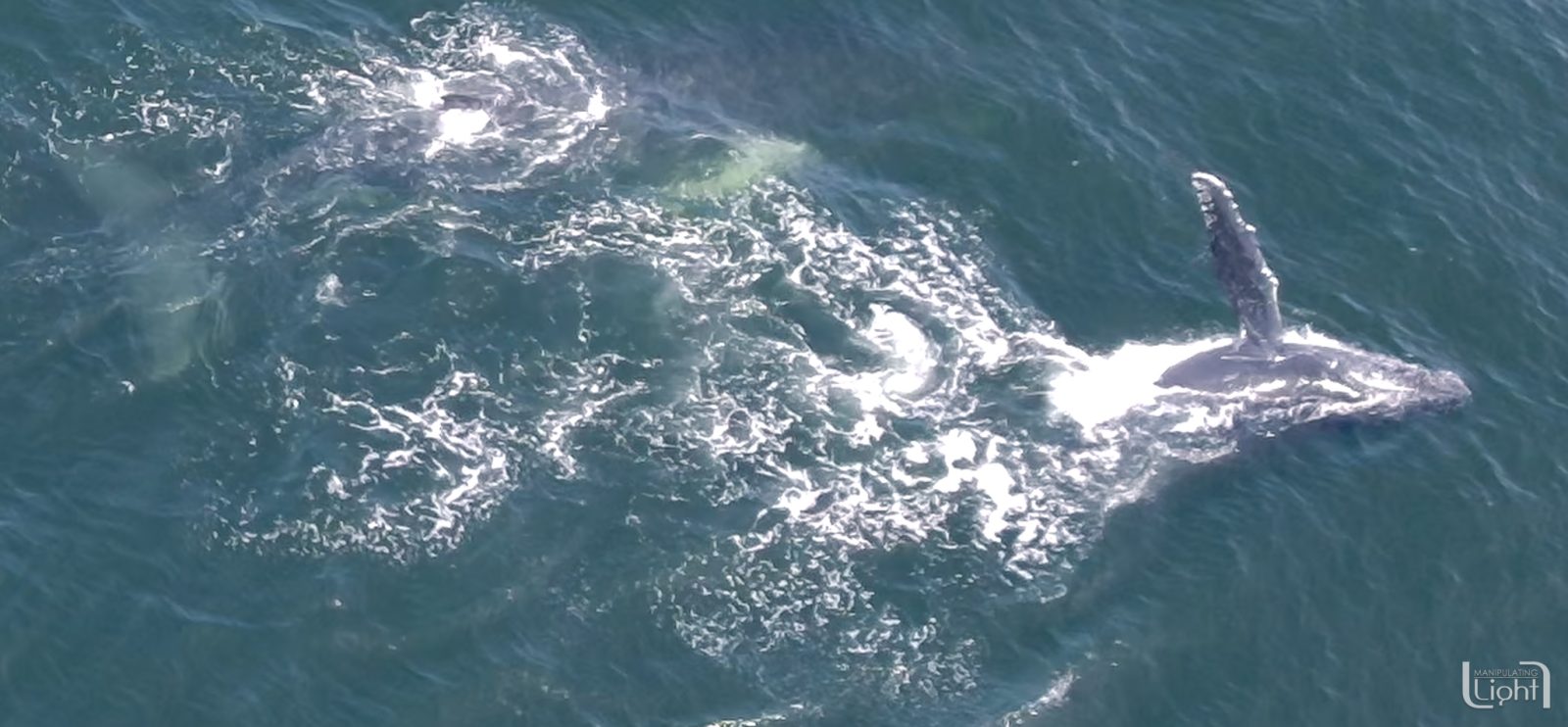
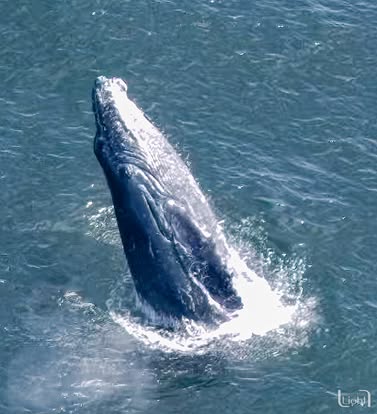
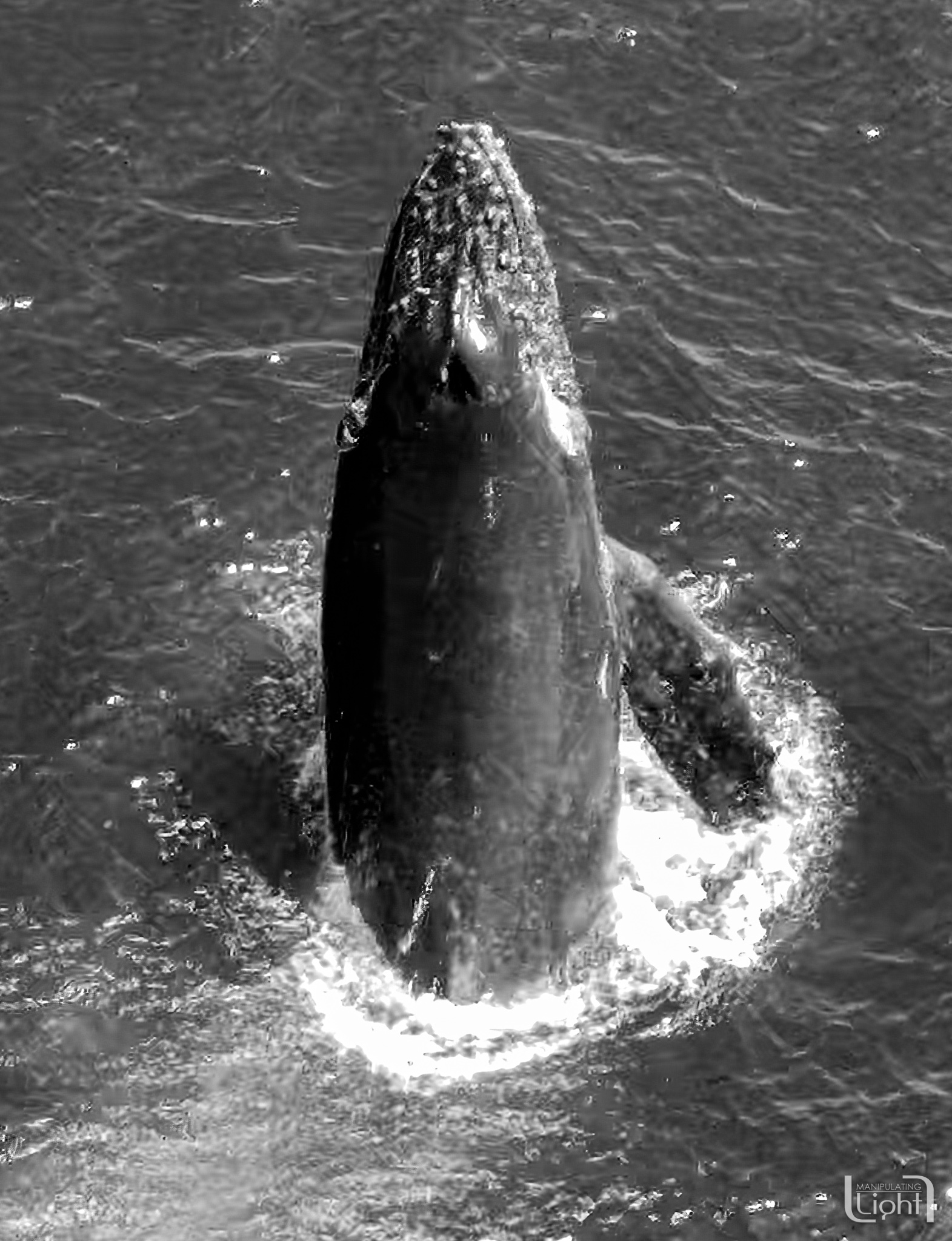
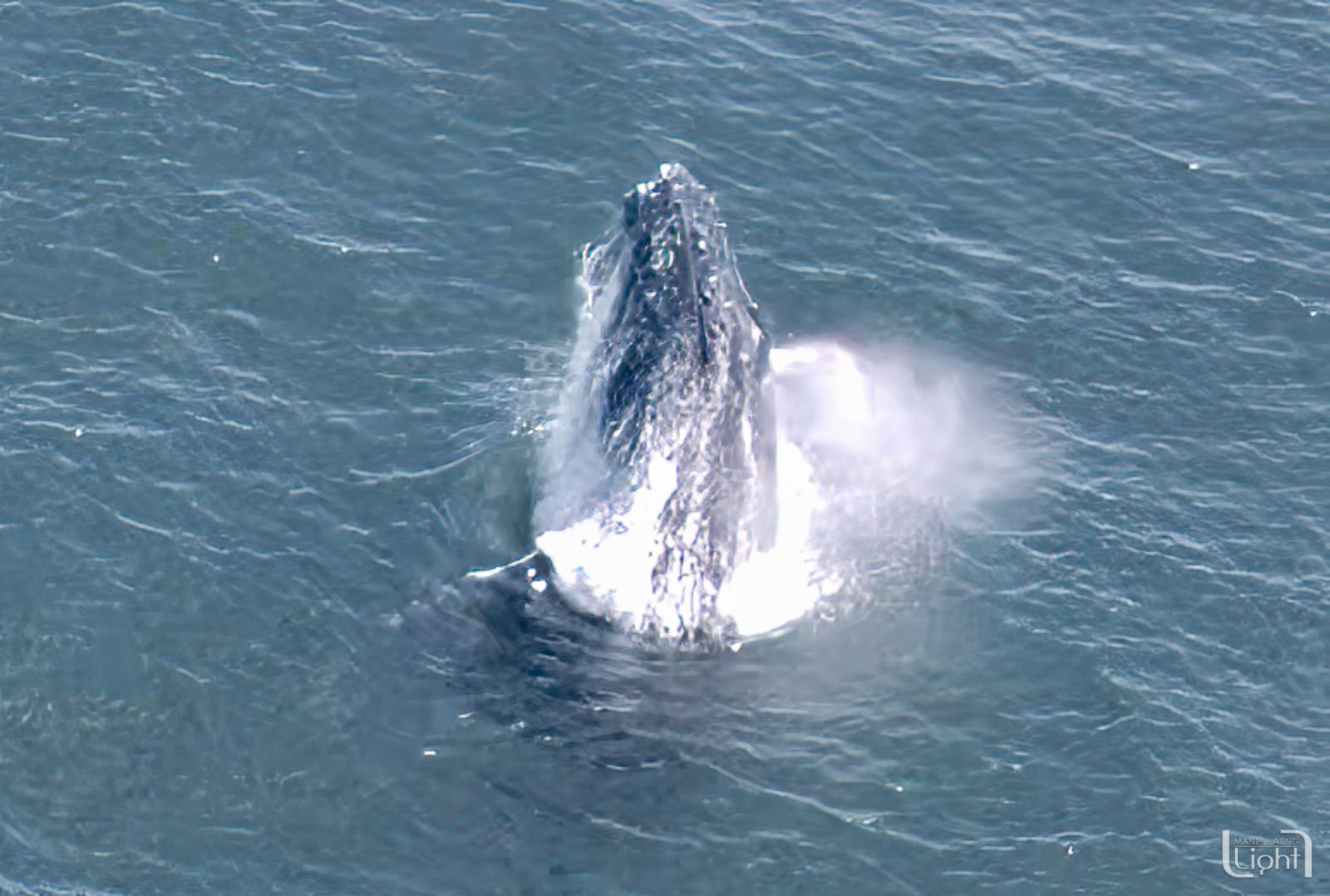
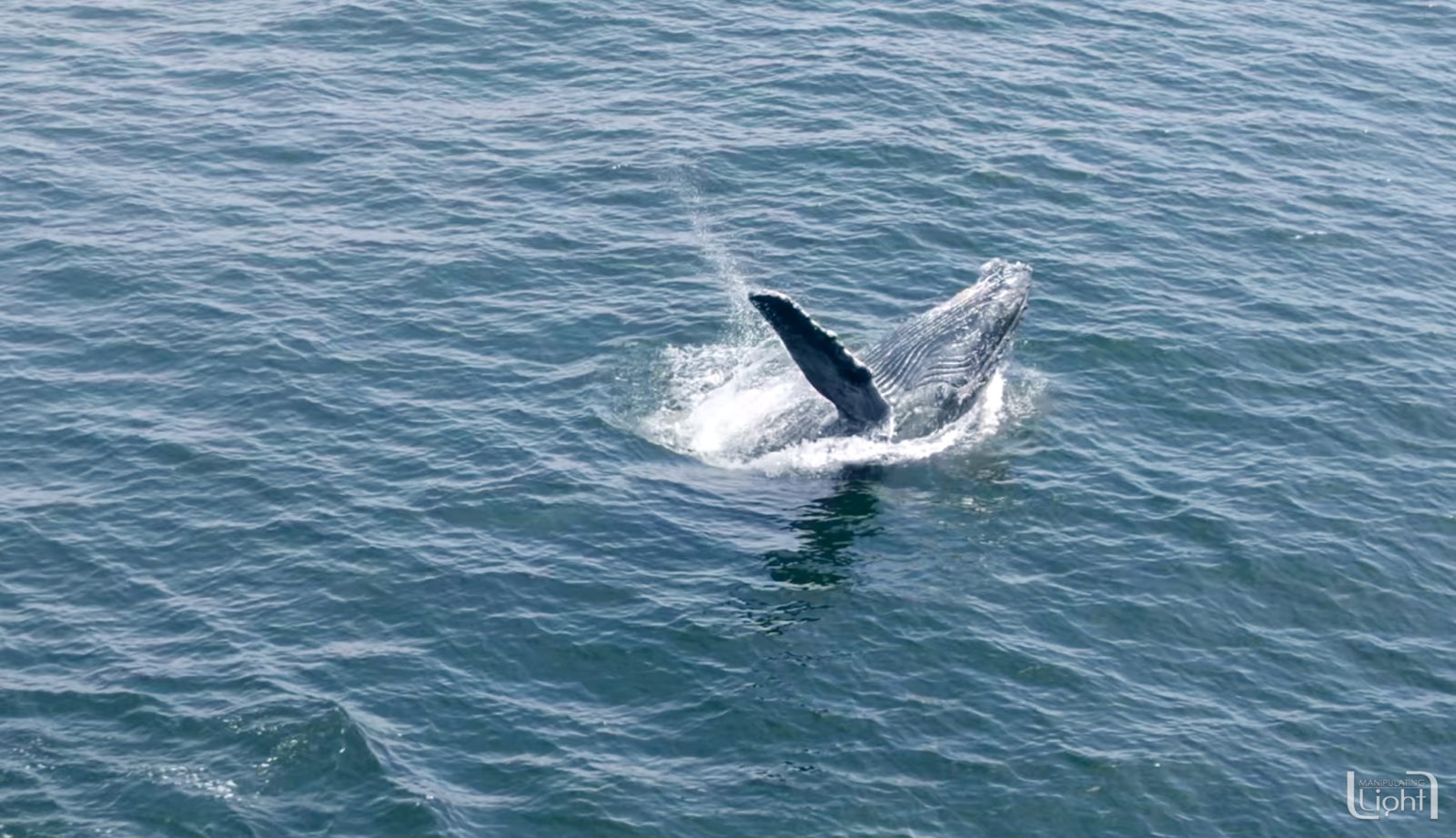
Humpback Whales are a constant source of fascination. They travel long distances along the coast, and their dramatic breaches and tail slaps aren’t just for show. They’re thought to communicate with other whales or dislodge parasites.
Bryde’s Whales are more elusive, speeding through offshore waters to hunt schooling fish, occasionally surfacing in sleek, sudden bursts that can catch even seasoned watchers by surprise.
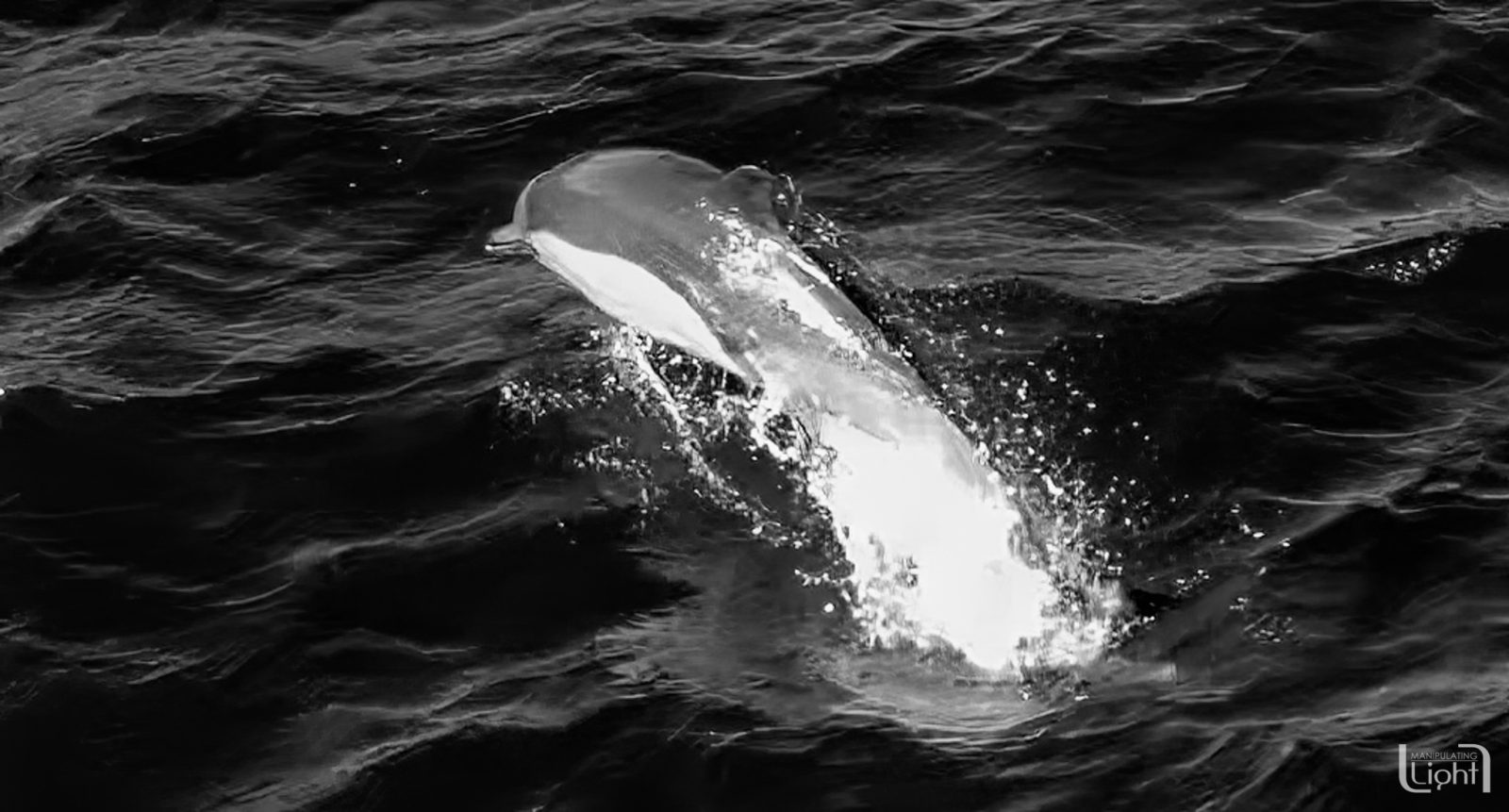
Heaviside’s Dolphins are small, dark-grey with white undersides, highly social, and usually form pods of 10–30 individuals close to shore. They stick close to the shore in small, tight pods, leaping and weaving as they hunt, and often engaging in what looks like playful antics.
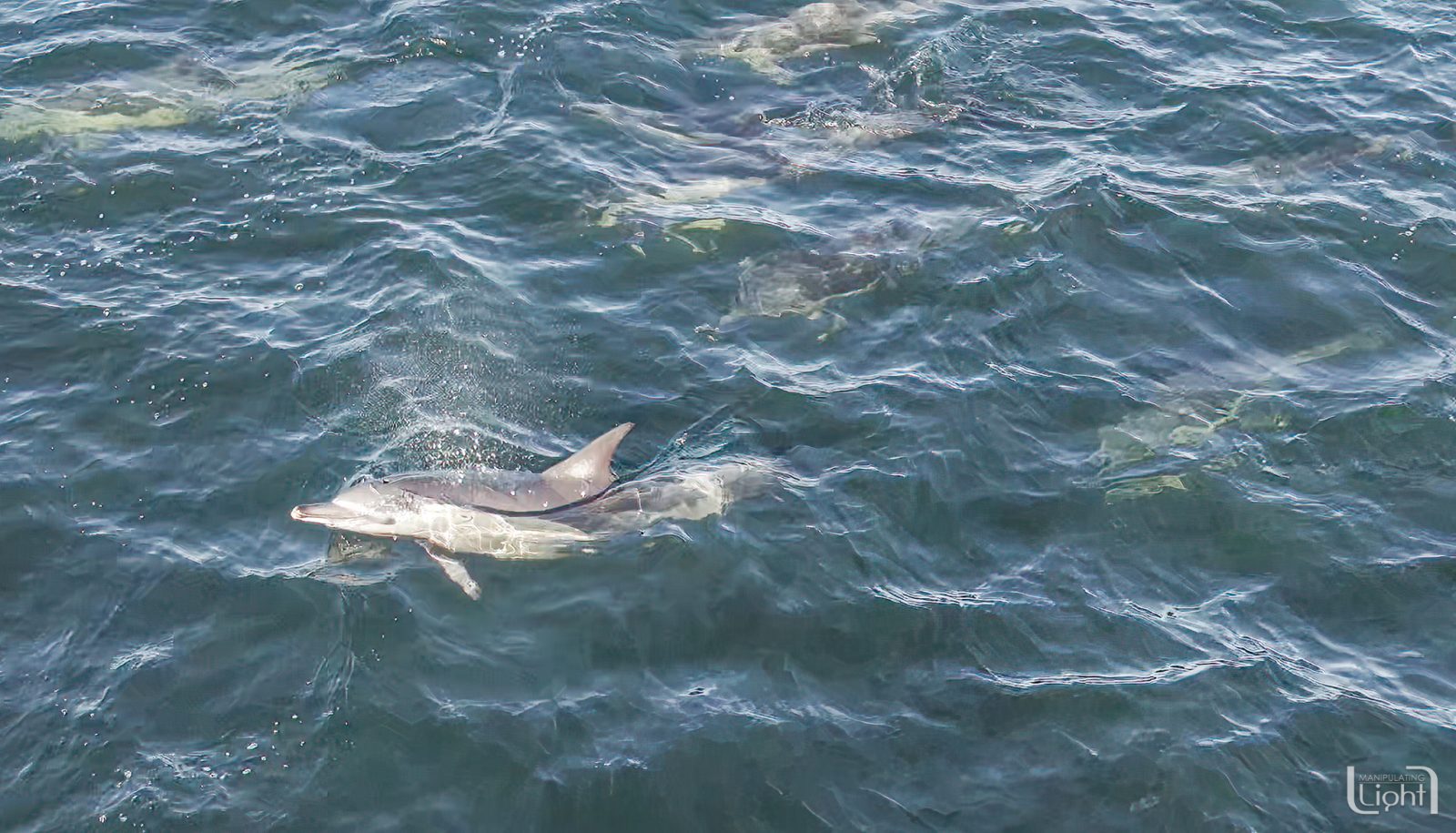
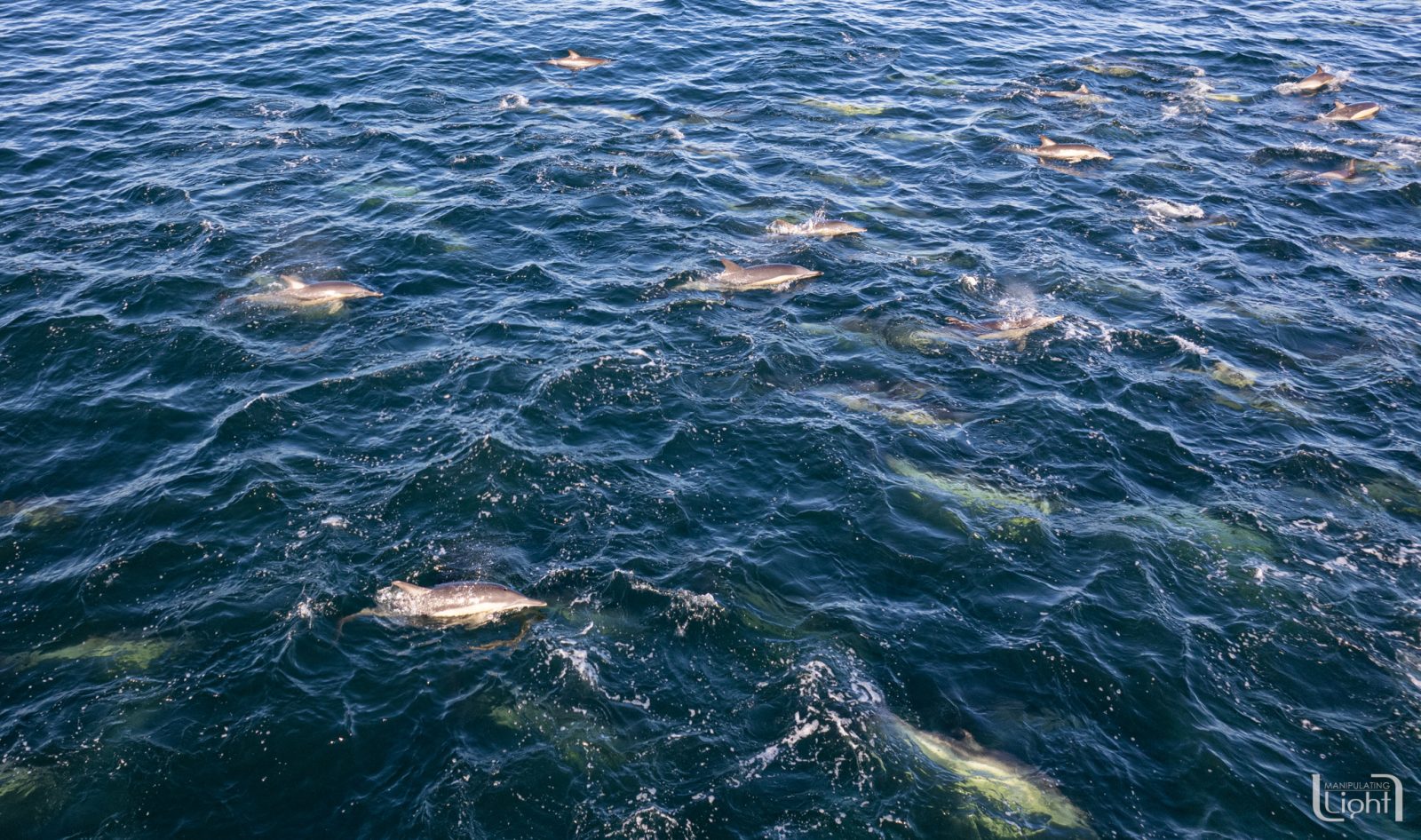
Common Dolphins, when they pass through, do so in larger, more fluid pods, moving quickly and gracefully across the open sea.
Life In The Wild
Southern Right Whales move slowly through the bays, mother and calf often staying close together as the calf tests its strength with short bursts of speed or gentle dives. The water is sometimes calm enough for them to rest near the surface, but they are always alert to the pull of currents and the subtle shifts in the wind, which carry the scents and sounds of other whales miles away. Humpback Whales roam the coast in long arcs, pausing to feed or sing, their songs echoing underwater and weaving through the presence of others. They are normally solitary but sometimes gather in small temporary groups. Bryde’s Whales slip through deeper waters hunting, surfacing briefly, then disappearing.
Closer to shore, Heaviside’s Dolphins twist and dart in small pods, weaving through waves and constantly communicating in high-pitched clicks. Common Dolphins occasionally sweep in from the open ocean in large, fast-moving pods, chasing schools of fish.