
Seals
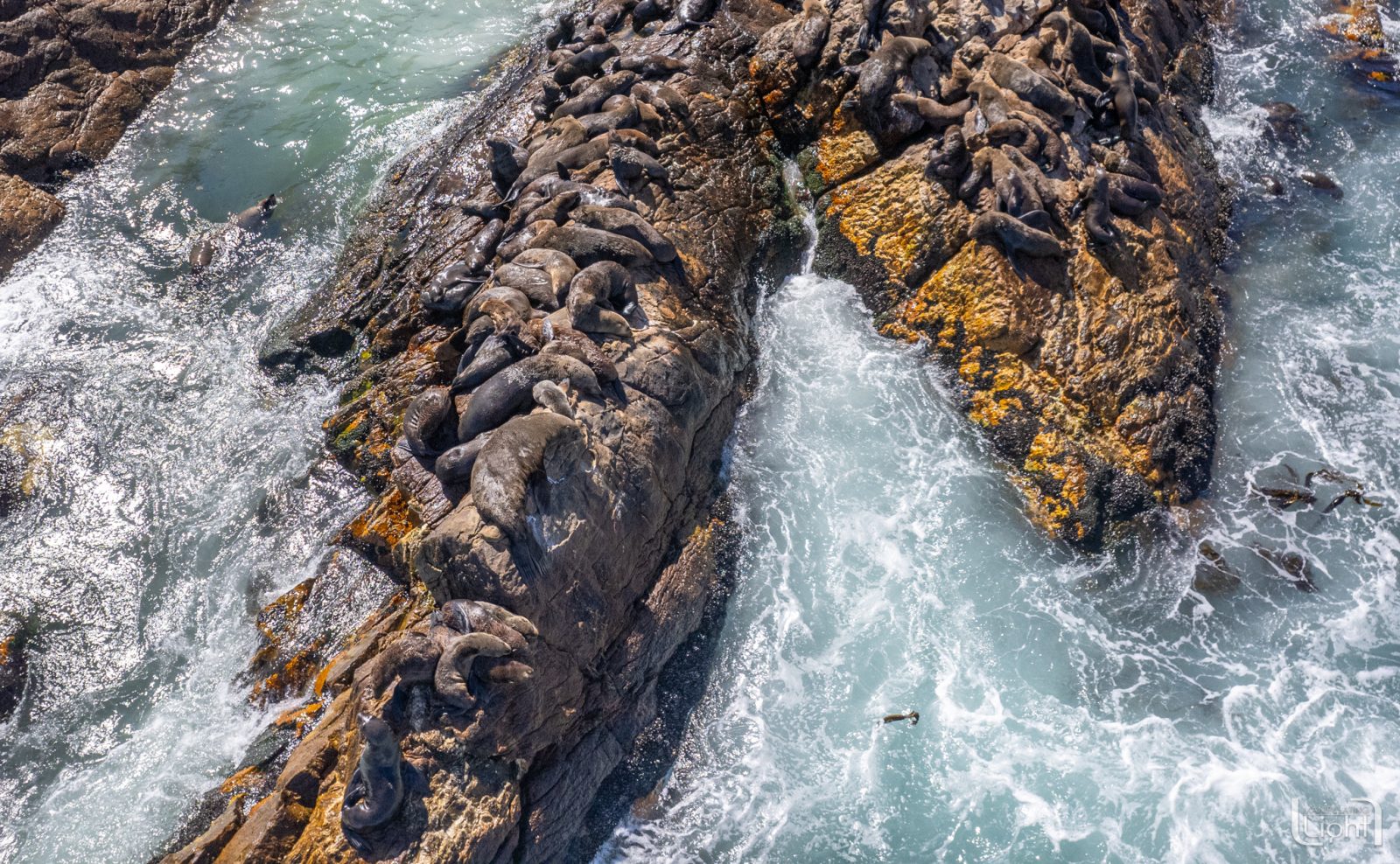
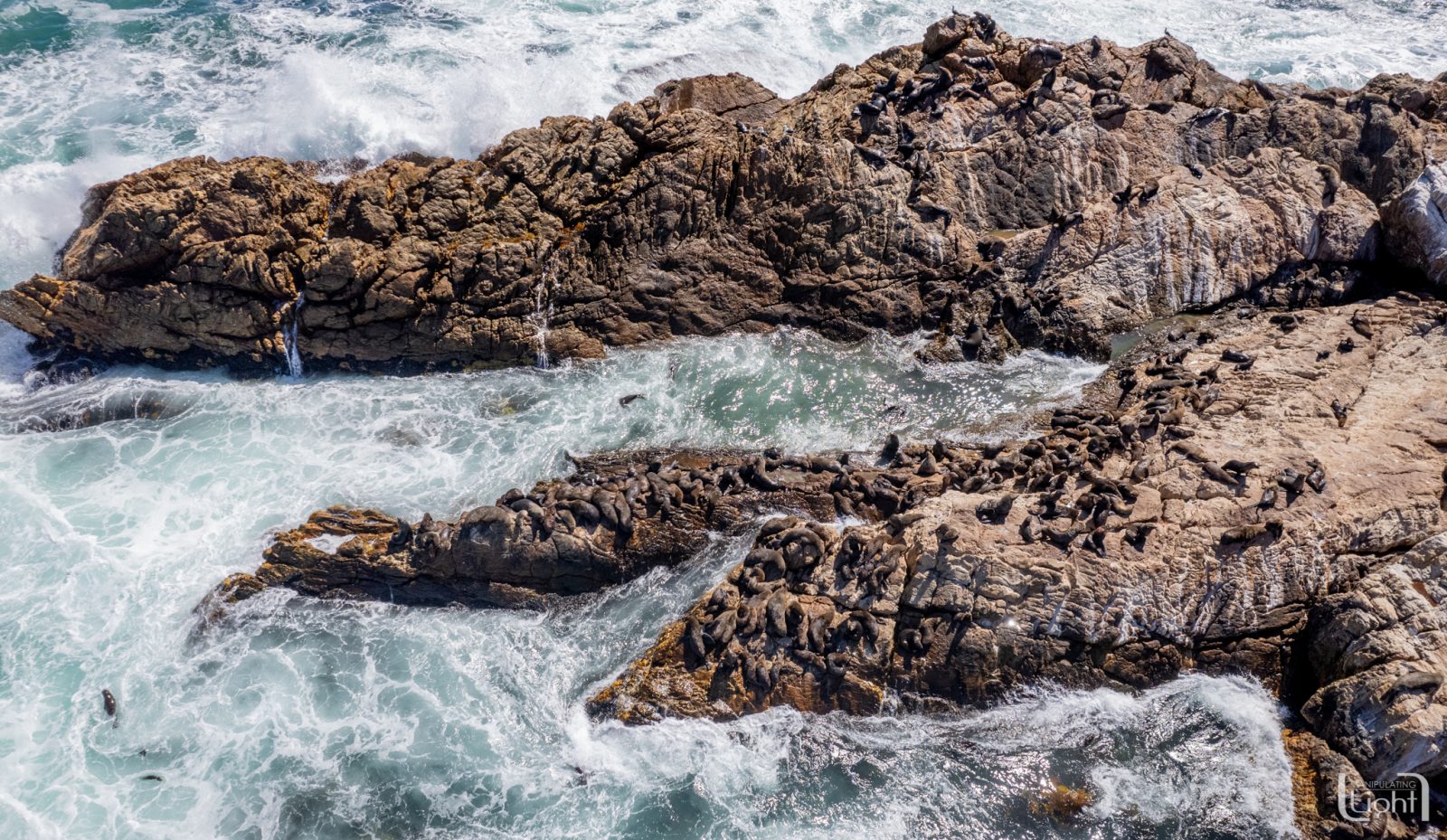
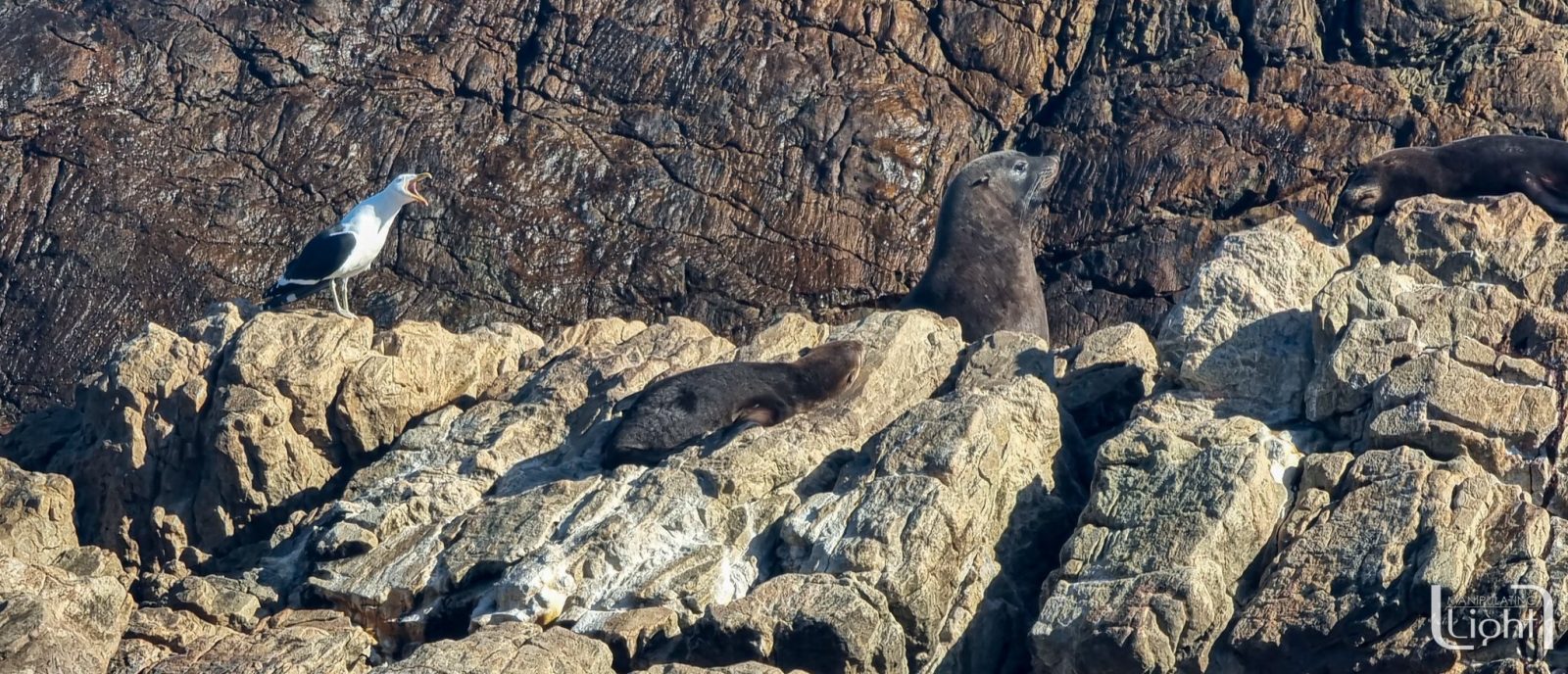
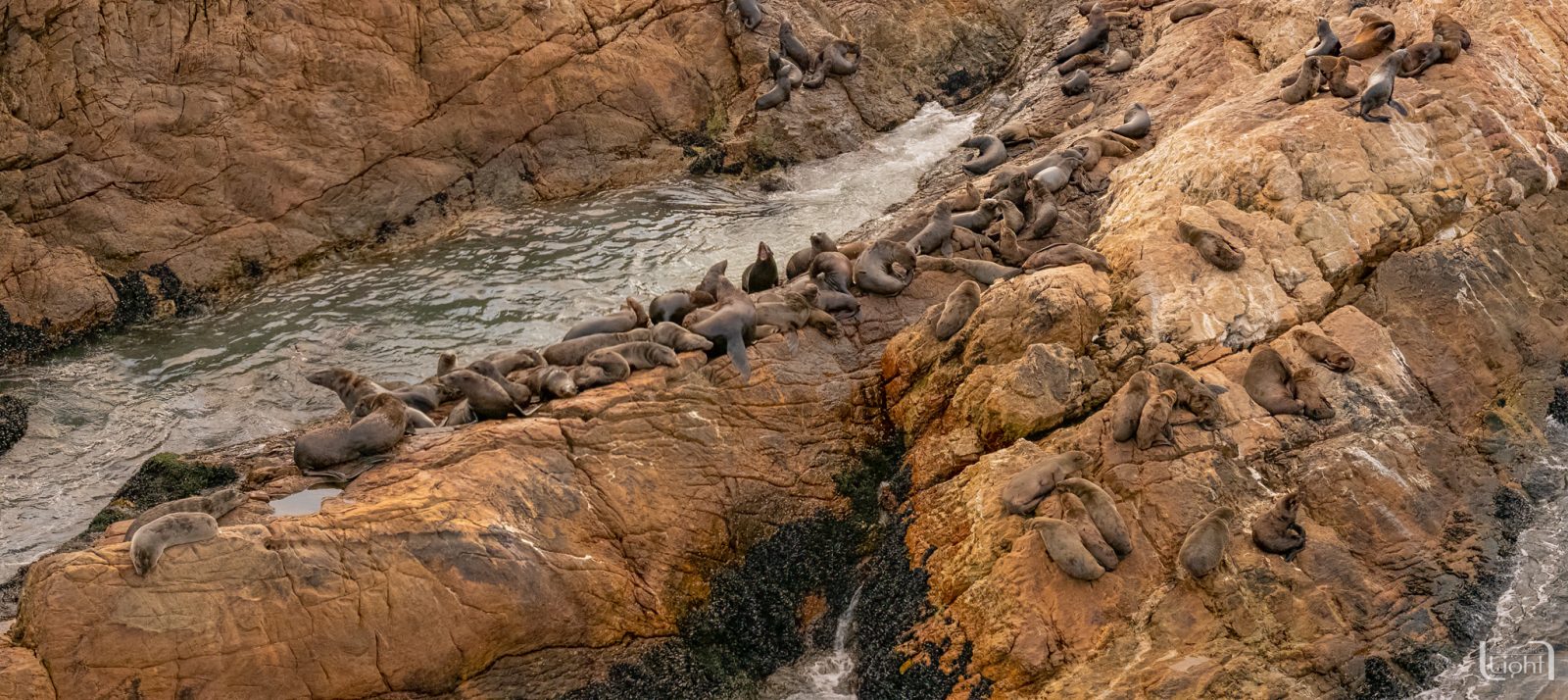
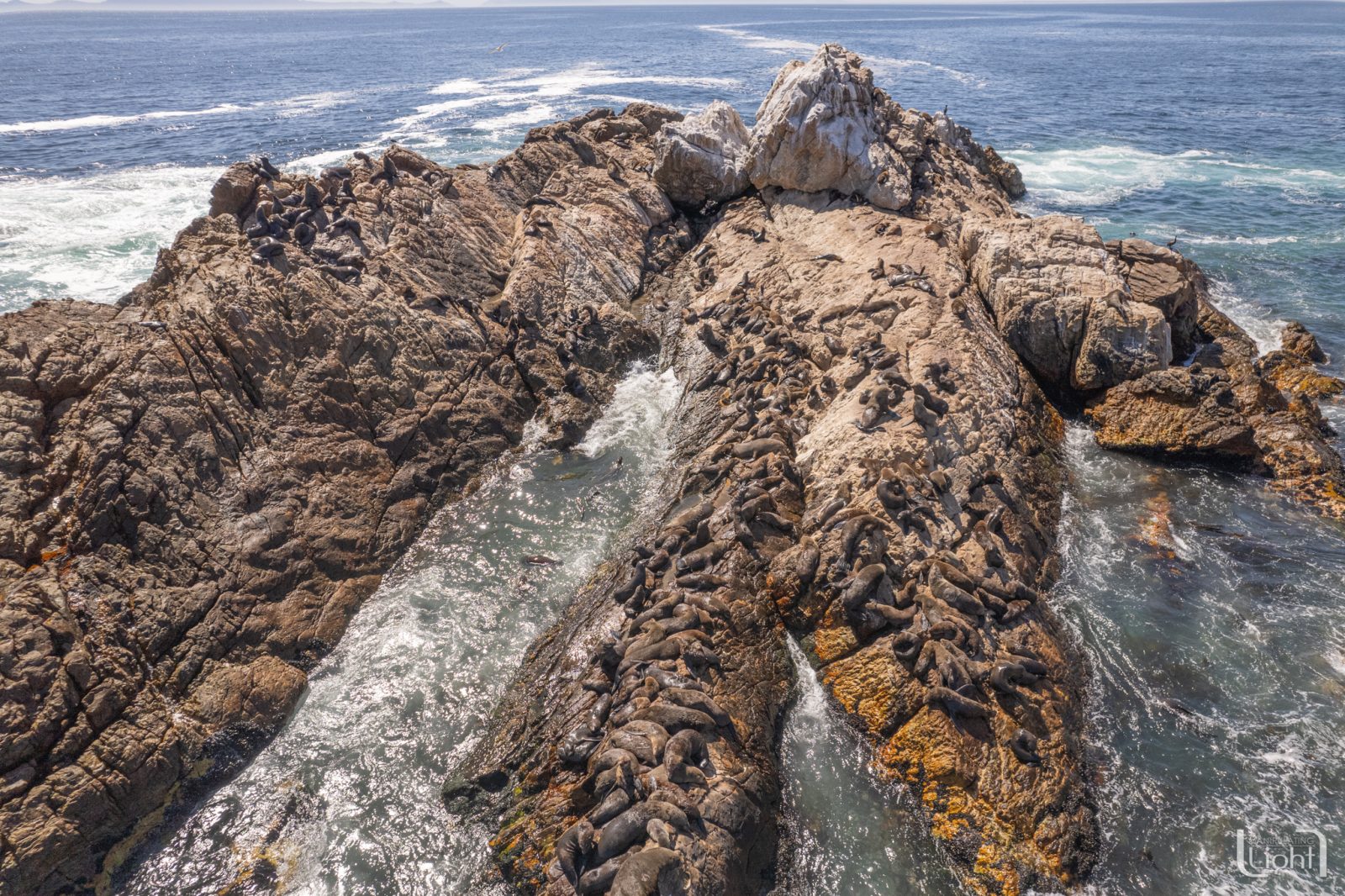
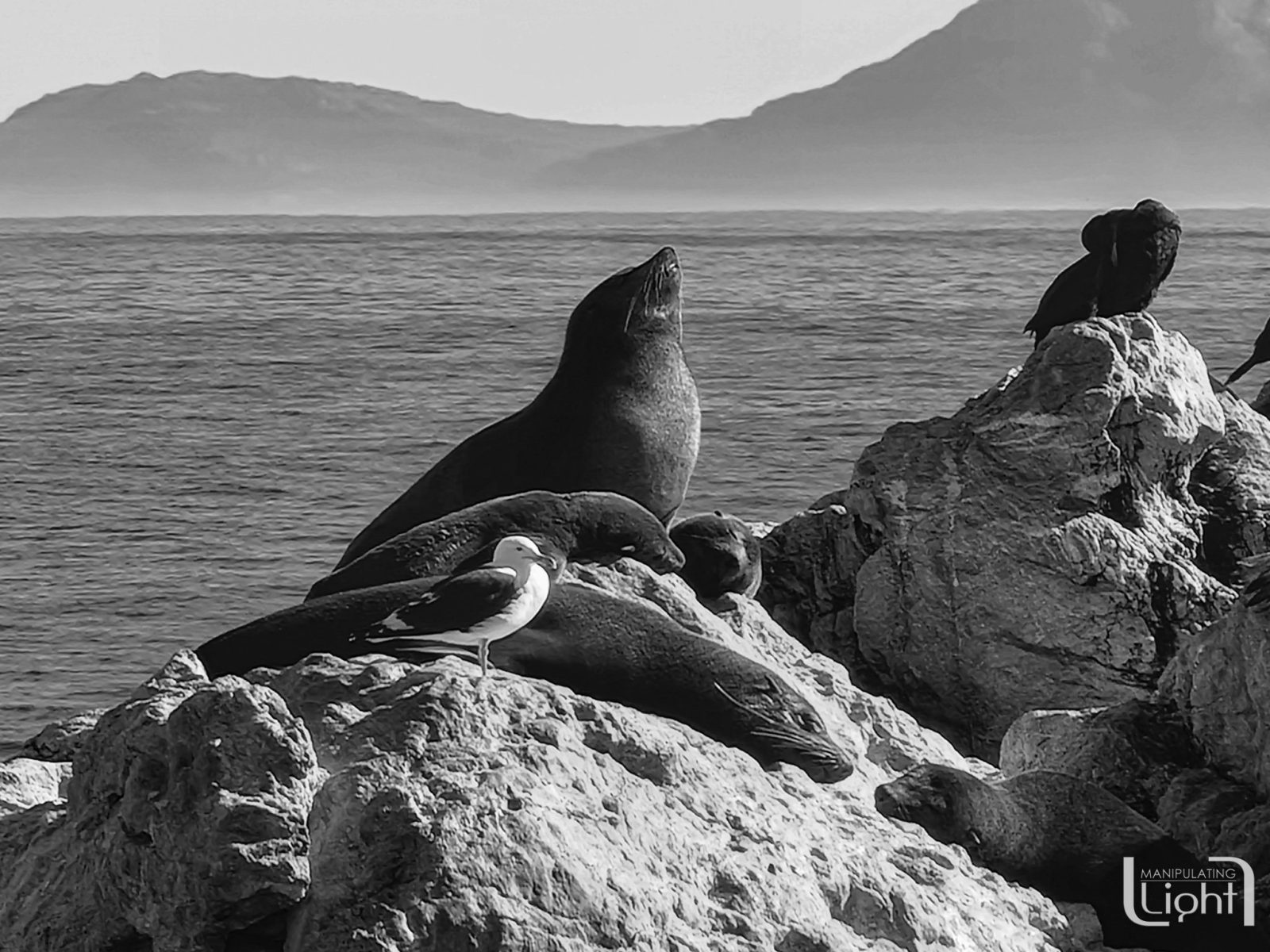
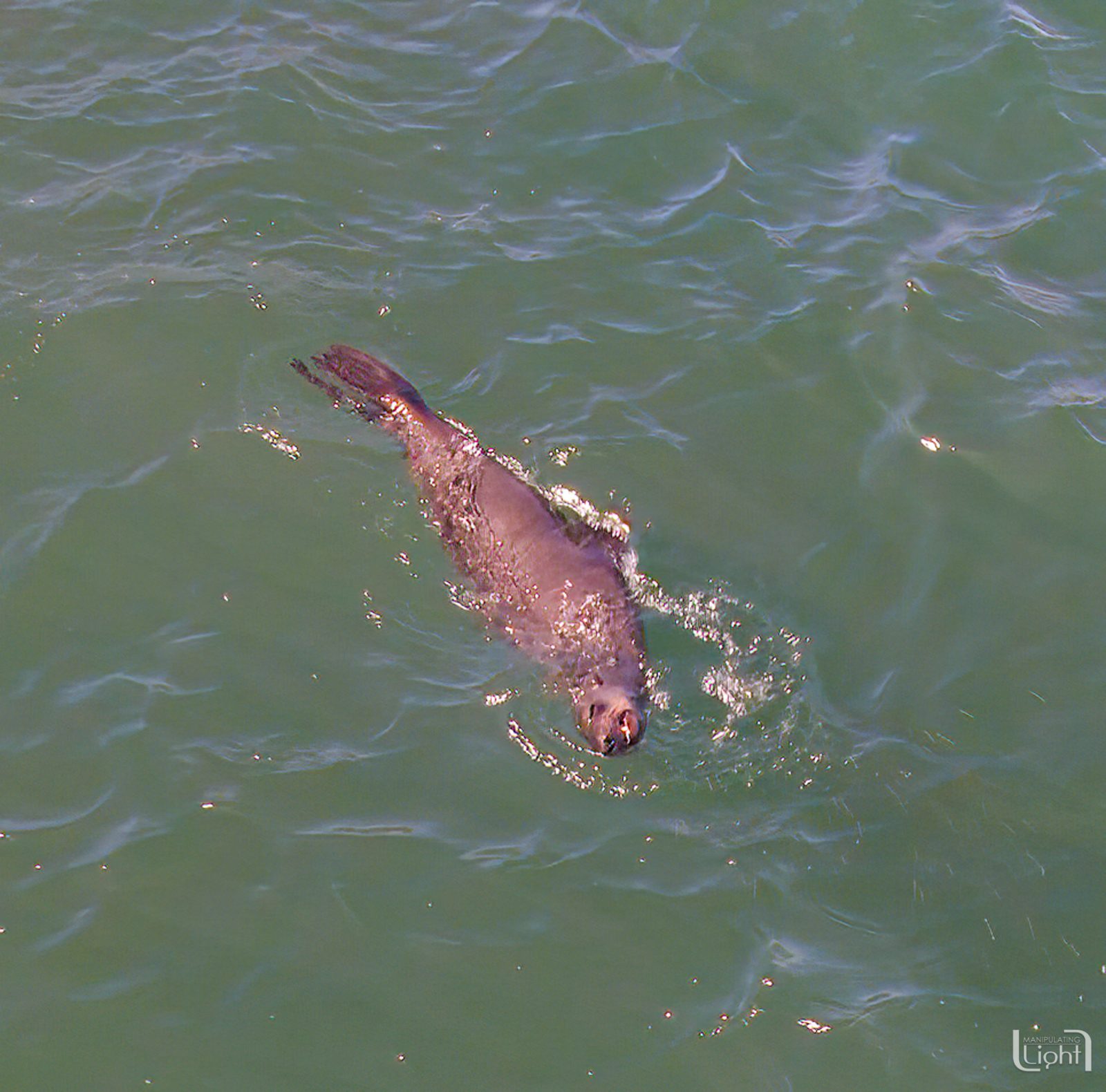
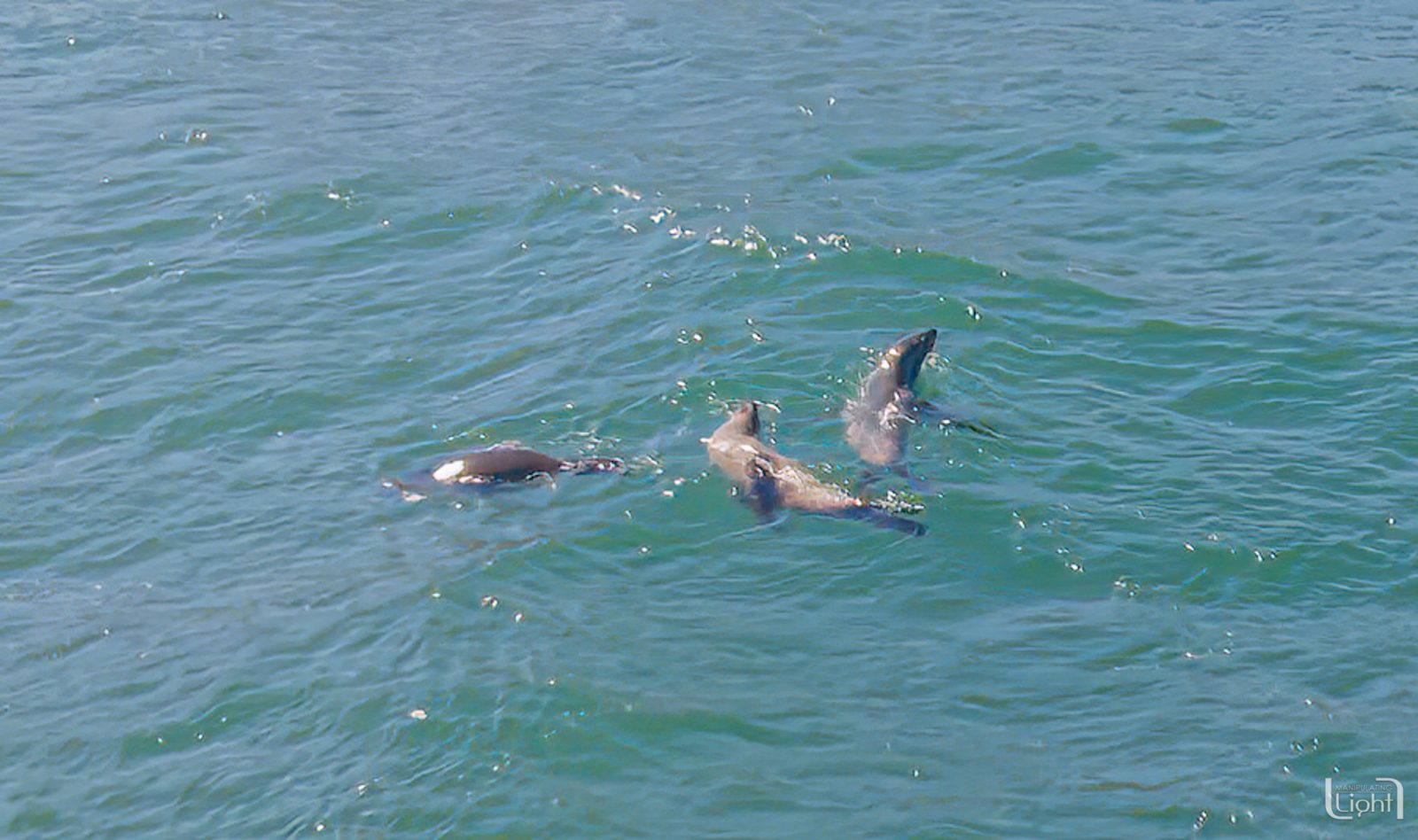
A colony of over 100 Cape Fur Seals (Arctocephalus pusillus) lives on the Roman Rocks peninsula in the south of the village. They are one of the larger fur seal species in the world. They haul out on rocks to rest and sun themselves, and can sometimes be glimpsed swimming just off the shore or playing in the sea.
People walking the coastal paths or scanning the ocean may notice the tell‑tale shapes of seals bobbing in the swell, or hear their barking carried on the wind. In calm conditions they can be seen at a distance from parts of the rocky shoreline. Please remember, they are wild animals and deserve space and respect whenever encountered.
Cape Fur Seals were historically hunted for their pelts but have been protected in South Africa since the late 19th century, long before modern conservation laws. Although they are not threatened, local pressures, including marine pollution, pressure on food sources and disease outbreaks, mean that respectful coexistence and habitat care are essential for their continued wellbeing.
🙋 How you can help
- Keep a safe distance from seals on land or in the water. Close contact can pose risks to people and pets, including potential transmission of diseases such as rabies.
- Don’t touch or move an injured or distressed seal. Instead contact the authorities. You can find contact details in the Wildlife Emergency Contact List.
- Always keep your dogs on a leash.
- Dispose of fishing line or litter responsibly.
Latest updates

Did You Know?
◻️ Cape Fur Seal males can reach over 2m in length and weigh over 200kg.
◻️ Pups are born with a black coat, which they shed as they grow.
◻️ They can hold their breath for several minutes – occasionally up to 7 or 8 when diving for food.
◻️ Although playful, they are powerful predators with strong jaws and sharp teeth.
About Cape Fur Seals
The Cape Fur Seal is not a “true seal” but a fur seal, belonging to the family Otariidae, also known as the eared seals. This group differs from “true seals” (Phocidae) in having visible external ear flaps, large strong front flippers and the ability to rotate their hind flippers underneath their bodies, enabling them to “walk” on land. True seals move on land with a wriggling, caterpillar-like motion, and in the water swim by undulating their hindquarters. Fur seals rely more on their powerful front flippers -almost like underwater wings.
These seals feed on a diet of fish, squid and other marine life, often traveling several kilometres from the colony to forage. They are social animals and gather in colonies where males establish territory and females care for their pups.
Females give birth to a single pup each year, usually in early summer. Pups form crèches (loose nursery groups) while their mothers forage at sea. Each mother must locate her own pup upon returning, relying on distinctive vocal calls and scent recognition in the noisy colony.
Life In The Wild
Cape Fur Seals spend much of their time at sea or hauled out on rocky outcrops like the Roman Rocks peninsula. Their daily rhythm includes resting and sunning during low tide, foraging at sea and swimming and social interaction, especially during breeding season. They are highly gregarious, forming dense colonies.
During the breeding season, their society becomes intensely hierarchical. Large adult males compete fiercely for territory on the rocks. A dominant bull may control a section of shoreline and the females within it, defending his position against rivals through displays, vocalisations and sometimes violent clashes.
A colony may look chaotic from a distance but is structured by complex social rules: territories, dominance hierarchies, juvenile play groups, and constant communication through barks, bleats and growls. Understanding this social world adds another layer to what you see from the Rooiels shoreline. What appears to be a cluster of animals on rocks is, in fact, a dynamic society shaped by competition, cooperation, and strong maternal ties.