
Other Mammals
Rooiels is home to a variety of other mammals.
Dassies and Mongooses
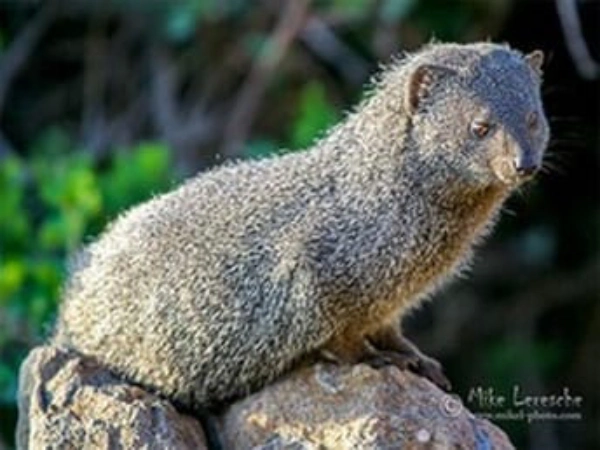
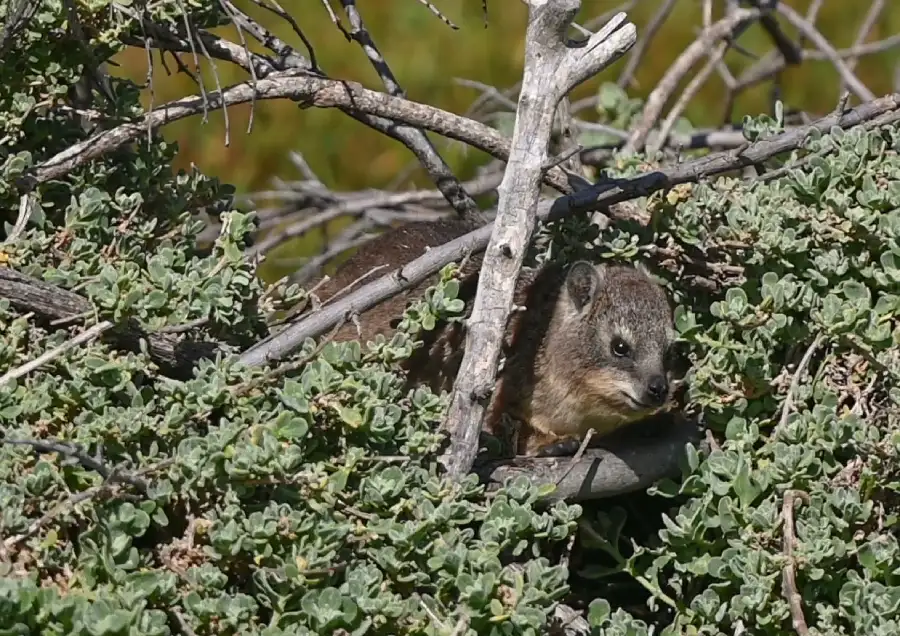
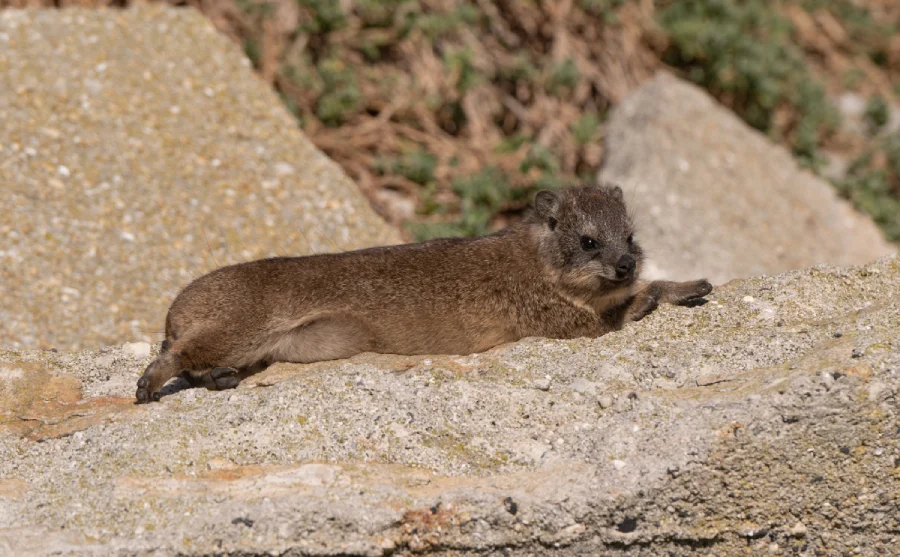
The Rock Hyrax, or dassie, basks on our rocky slopes and retreats into crevices when disturbed. The Cape Grey Mongoose is frequently seen moving through gardens and across the roads, hunting insects, rodents and small reptiles. The Egyptian Mongoose has also been spotted, but far less frequently.
Cats
At night, the Small-spotted Genet is sometimes seen investigating braai areas or gardens. The larger Large-spotted Genet occurs closer to the river. Rooiels also occasionally receives visits from Caracal, typically moving quietly through the area after dark, but sometimes walking openly through the village in broad daylight.
Antelope
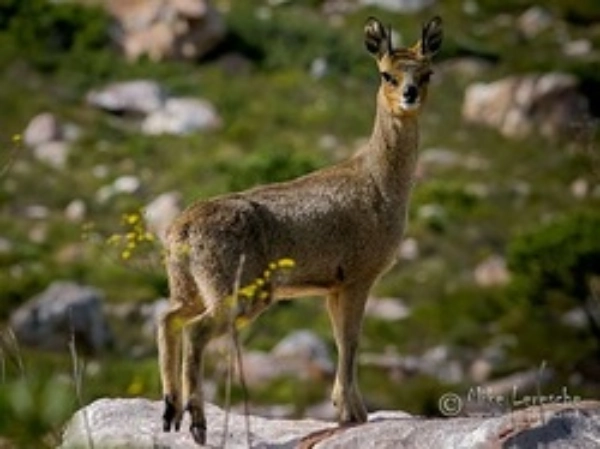
The klipspringer’s excellent camouflage makes them hard to spot unless they stand upright on rocky outcrops, but they frequent the mountains in small numbers. Cape Grysbok are rarely seen but have been recorded browsing in gardens.
Hares
Porcupines
The largest rodent in southern Africa is mostly nocturnal, feeding on roots, bulbs, bark, and fruit. They sometimes venture into gardens at night and have also been snapped on our wildlife cameras. Despite their formidable quills, they are not aggressive unless cornered. They occasionally fall prey to caracal or large owls.
Smaller Mammals
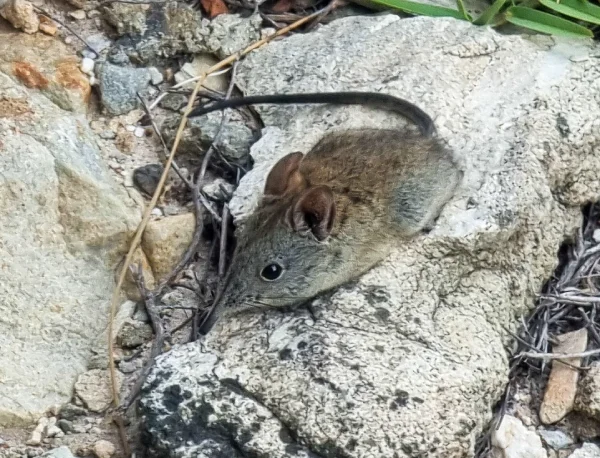
Smaller species recorded locally include the Cape Golden Mole, Cape Dune Mole-rat, Four-striped Mouse and Cape Rock Elephant Shrew. These animals are seldom seen but contribute to soil turnover, seed dispersal and insect control.
Aside from dassies and mongoose, most of these animals are rarely seen, but are an integral part of maintaining ecological balance. Rooiels’ intact fynbos corridors, rocky slopes and proximity to natural habitat allow these species to persist in a landscape increasingly developed elsewhere.
👉 Read the fascinating article about some of our lesser-spotted mammals on the rooielsfynbos.co.za website by Rooielsers Dine van Zyl and Graham McCleland.
🙋 How you can help
- Manage your pets so they can’t chase or kill wildlife.
-
Turn off your lights at night
-
Don’t use poisons in your home or garden.
-
Drive slowly on village roads, especially at night.
-
If you see an injured or distressed animal, contact a rescuer on the Wildlife Emergency Contact List.
Latest updates
-
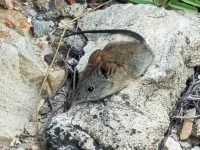
- Cape Elephant Shrew
-
- Klipspringer
-
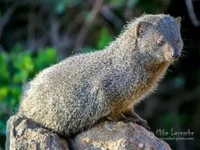
- Cape Grey Mongose
-
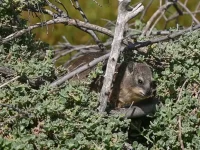
- Rock Hyrax
-
- Rock Hyrax
Did You Know?
◻️ Klipspringers walk on the tips of their hooves, providing excellent grip on steep rocks.
◻️ Cape Grey Mongoose are immune to certain snake venoms, and may actively hunt snakes.
◻️ Elephant shrews are more closely related to elephants than to true shrews.
◻️ Smith’s Red Rock Hare doesn’t dig burrows – it shelters in shallow scrapes among rocks.
◻️ Porcupines are excellent climbers for their size, and can reach low tree branches to feed.