
Baboons
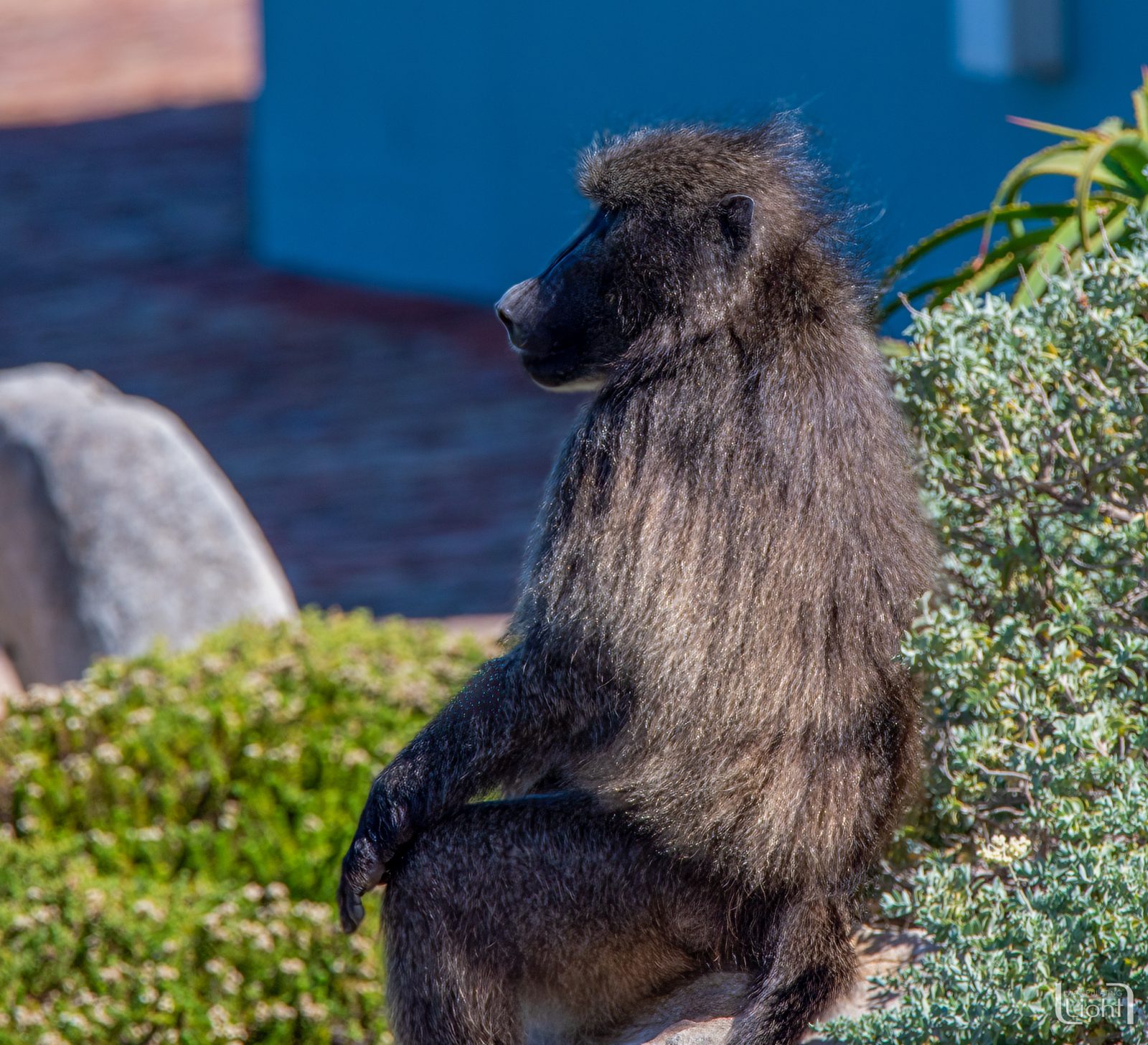
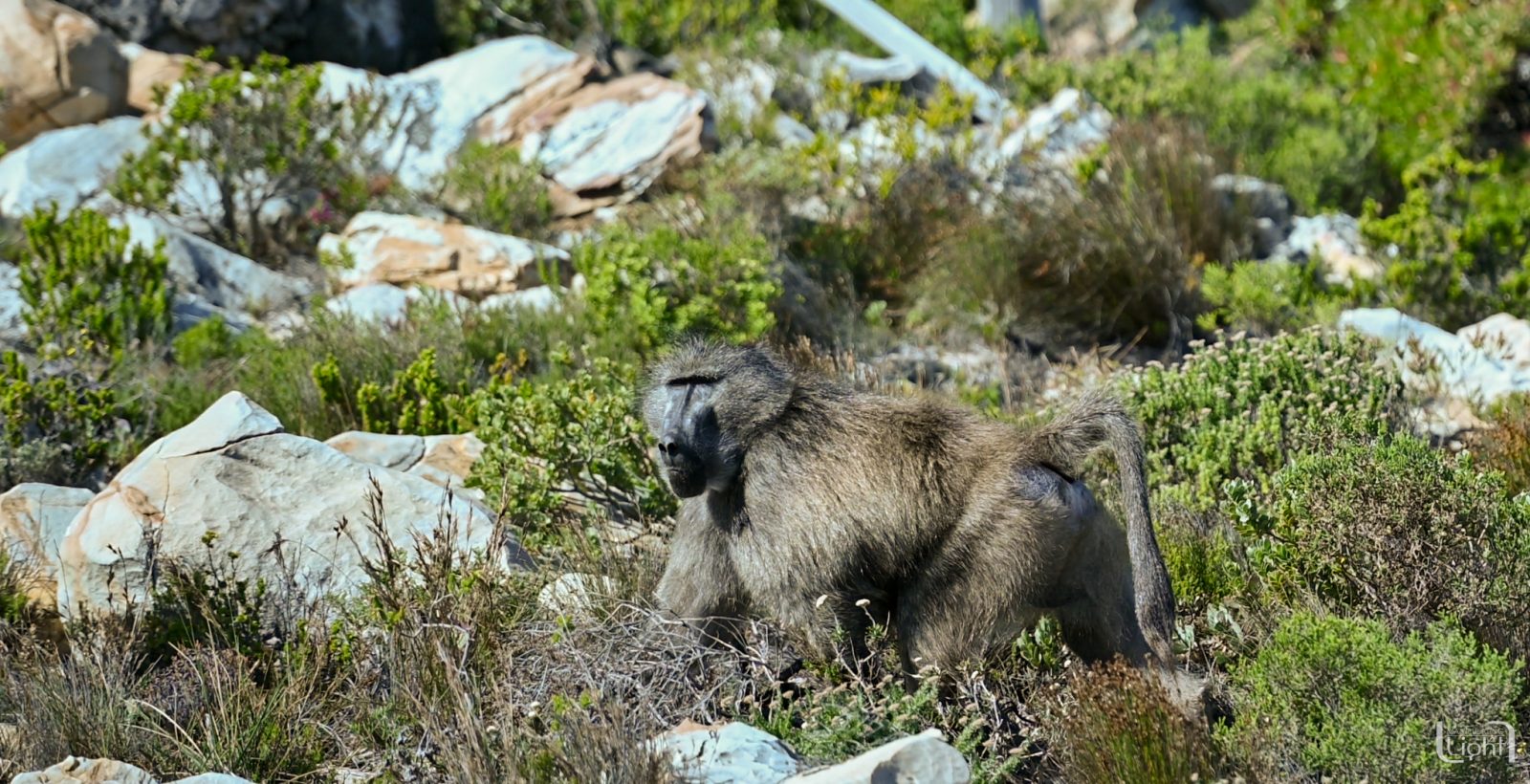
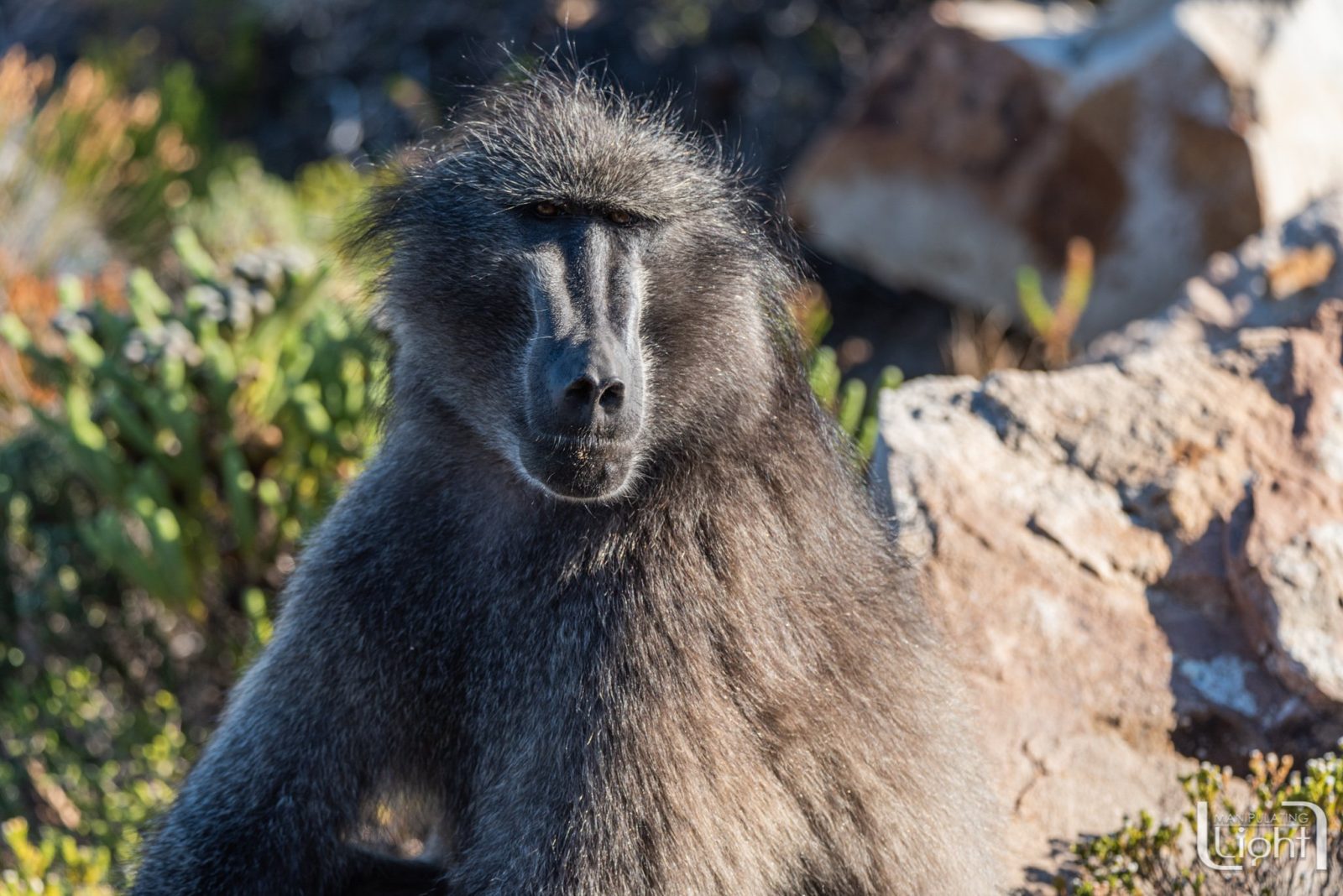
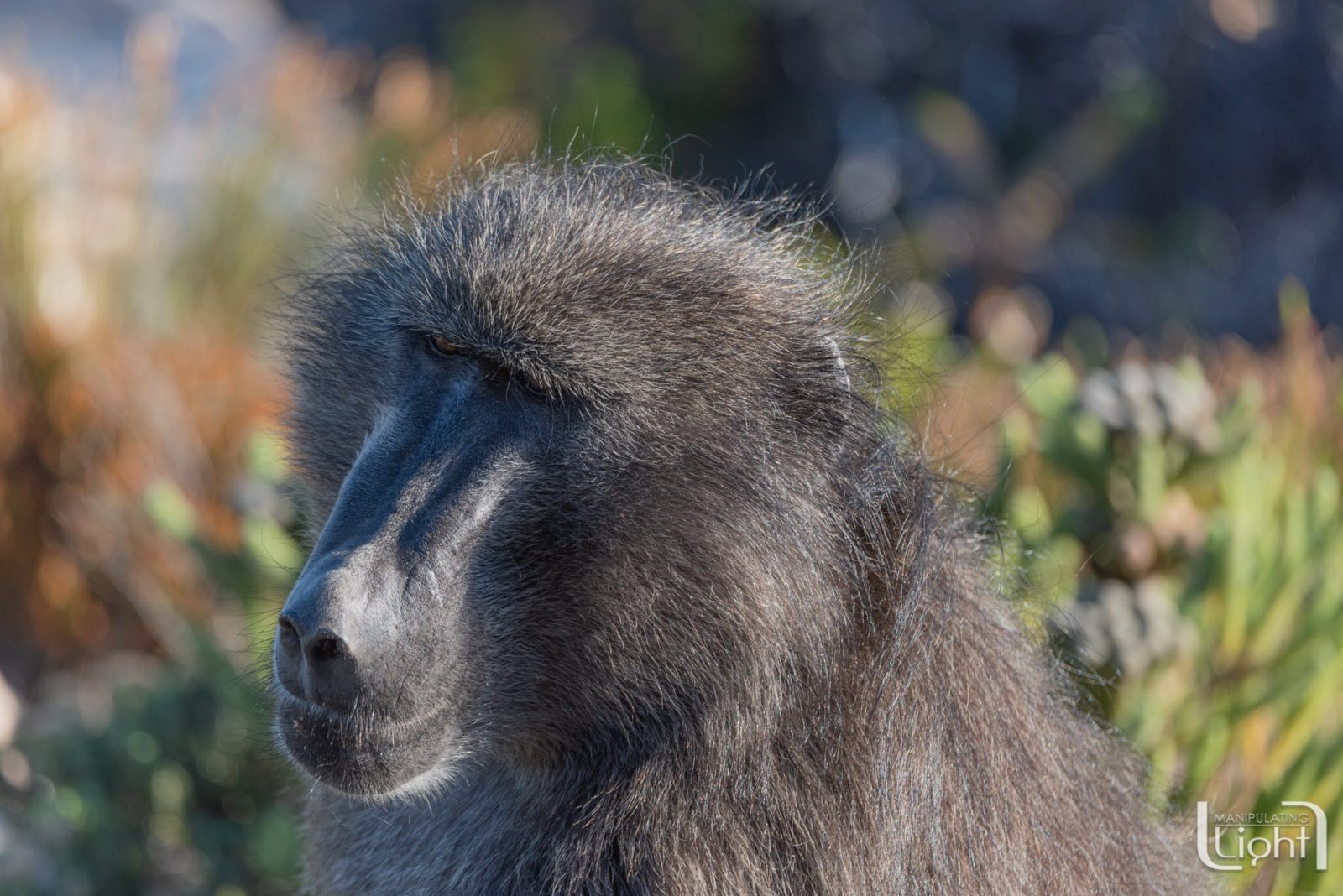
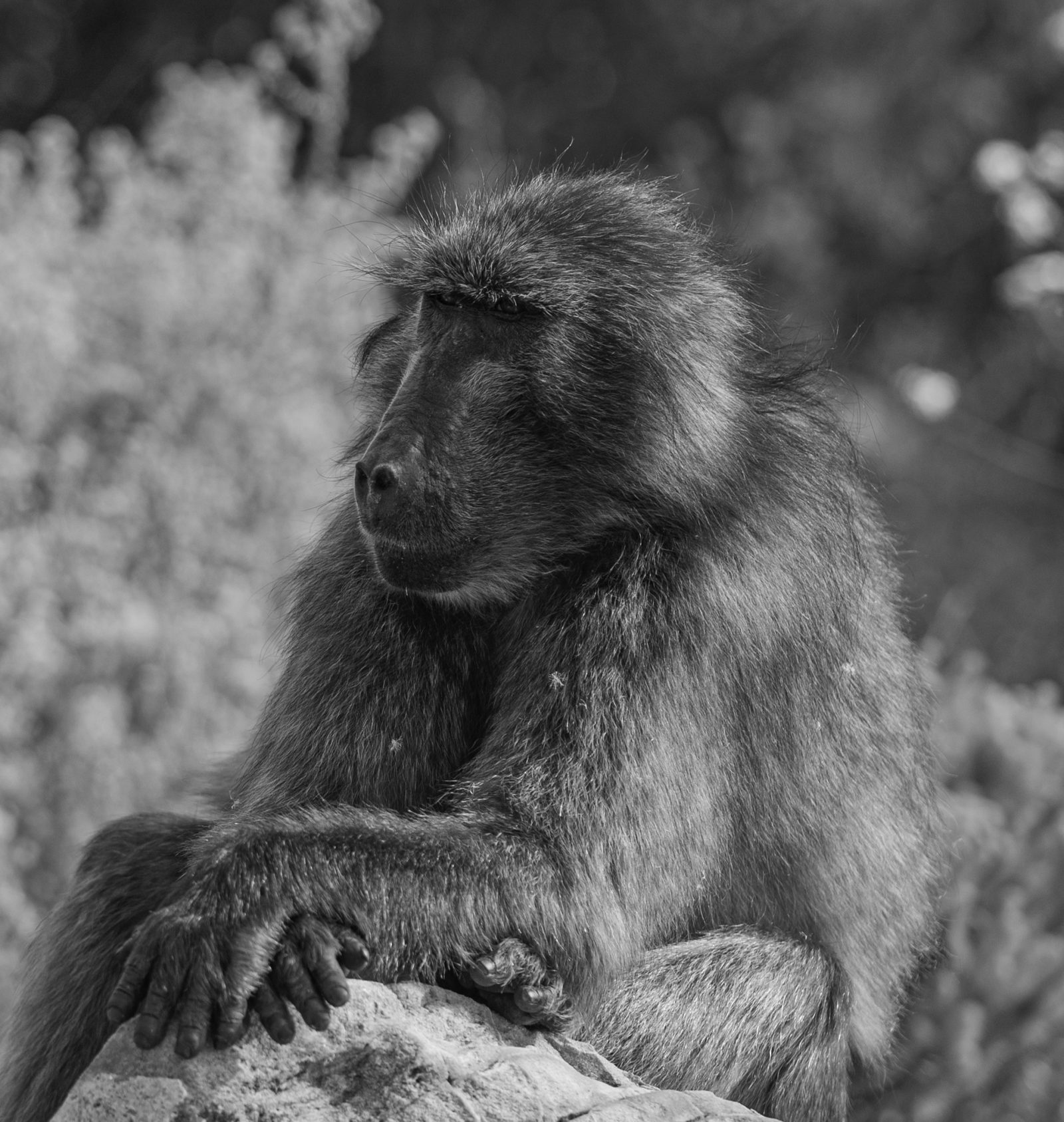
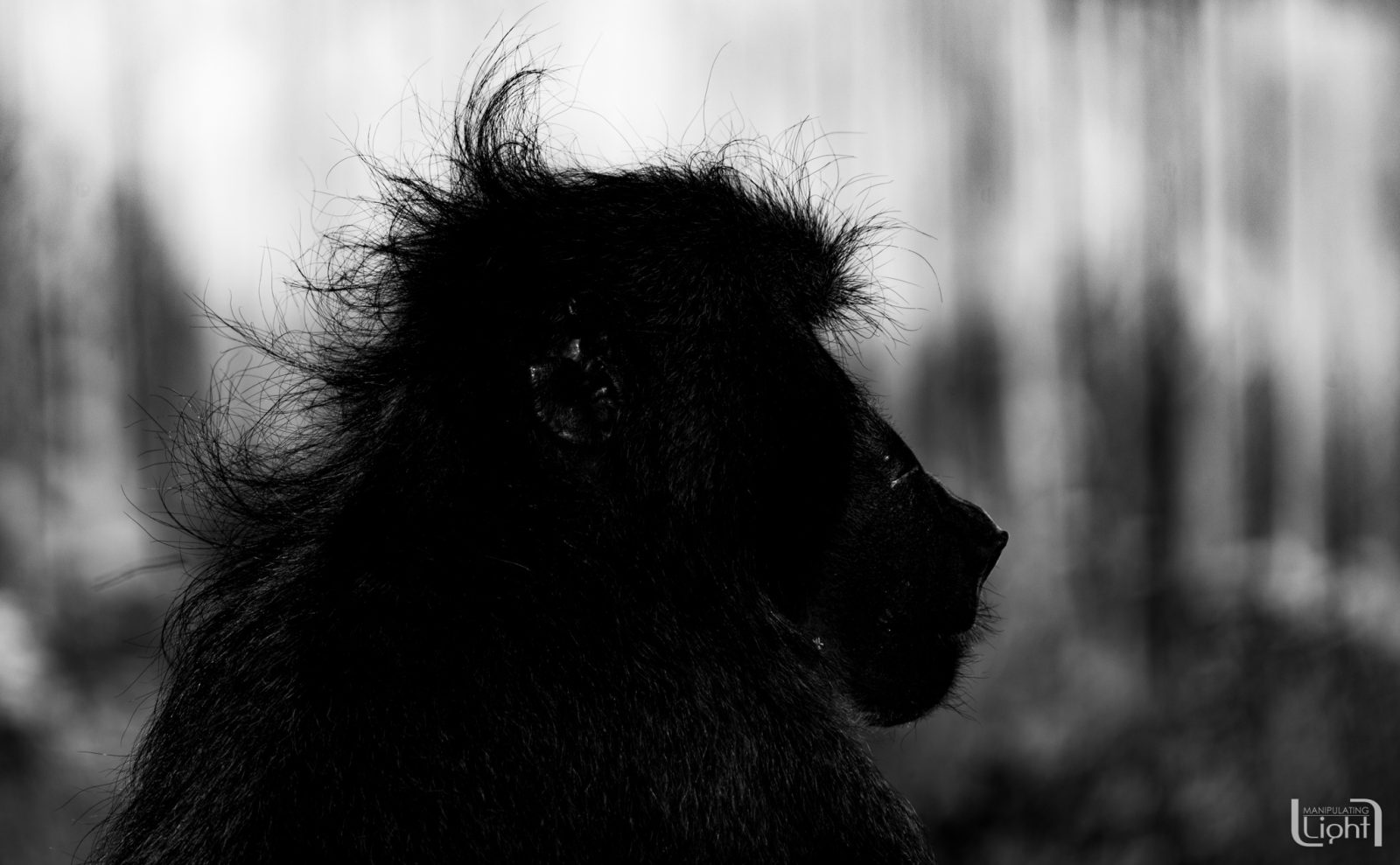
For decades (at least), Rooiels has been home to a troop of Chacma Baboons (Papio ursinus), one of South Africa’s most charismatic, social and complex wild residents. Highly intelligent, adaptable, and social, these primates move through the fynbos, rocky slopes, river valleys and shoreline. They visit the village itself most days, and can be observed foraging, playing and grooming. In Rooiels, the baboon troop is largely indifferent to the presence of people unless provoked or enticed by food.
Baboons are not predators, and are not aggressive towards people. While plant-based food makes up at least 90% of the troop’s diet, they are still attracted to easy food, and if they can get it from a house, car or person walking with food they will take the opportunity to do so. This can create tensions, but it also offers an opportunity for coexistence grounded in understanding, respect, and responsible behaviour. Rooiels residents are conscientious about securing their waste, baboon proofing their houses and minimising opportunities where a conflict situation could arise.
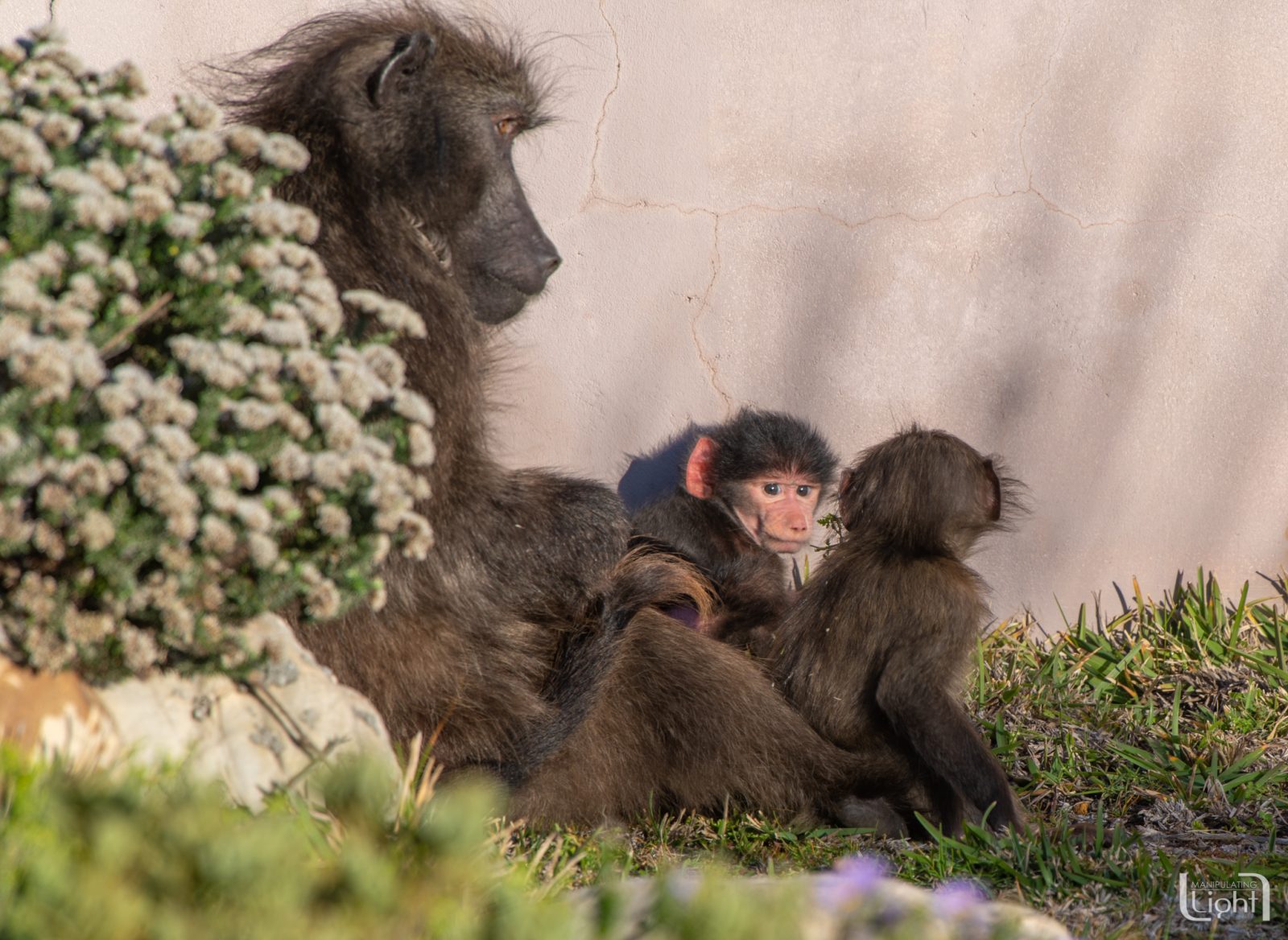
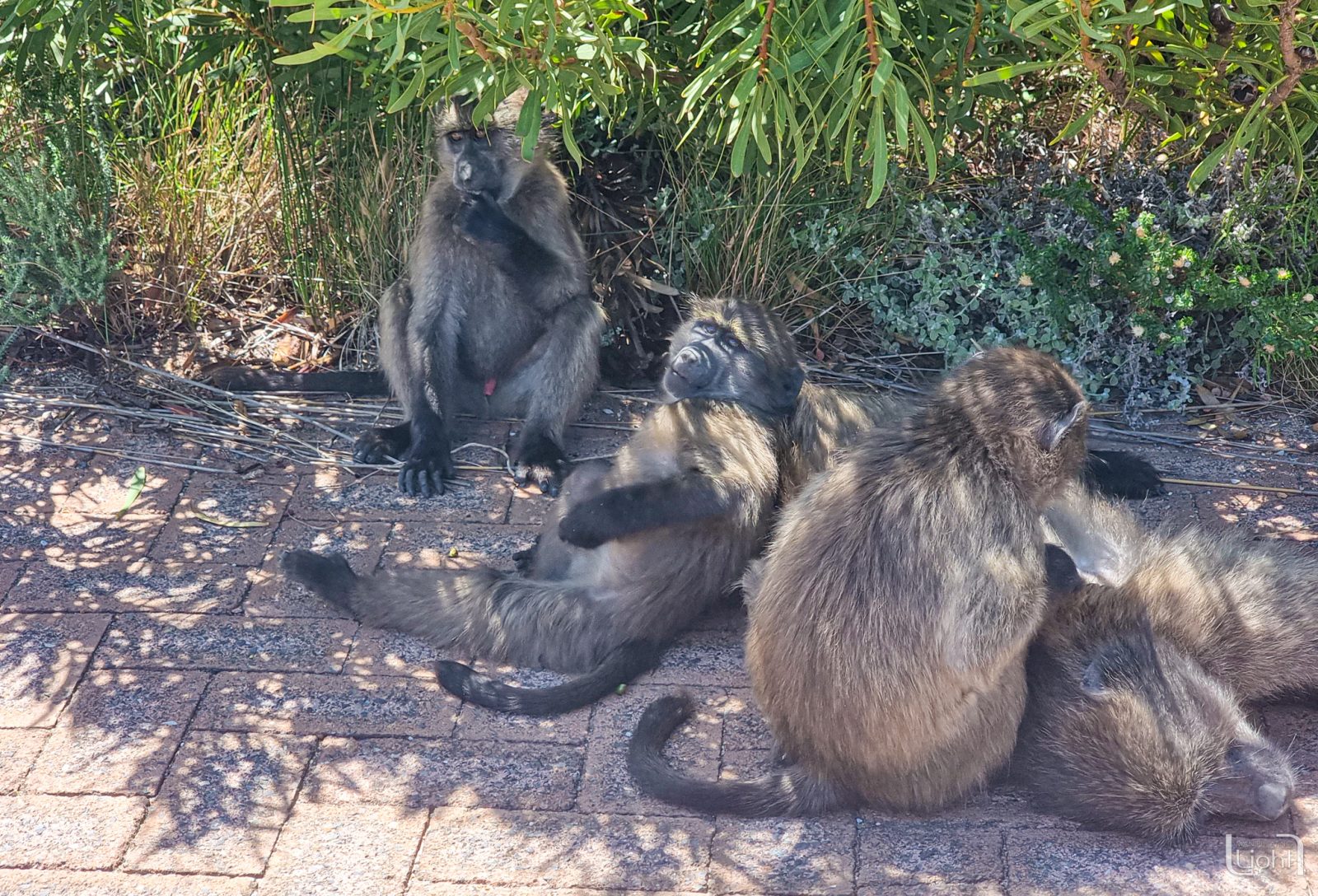
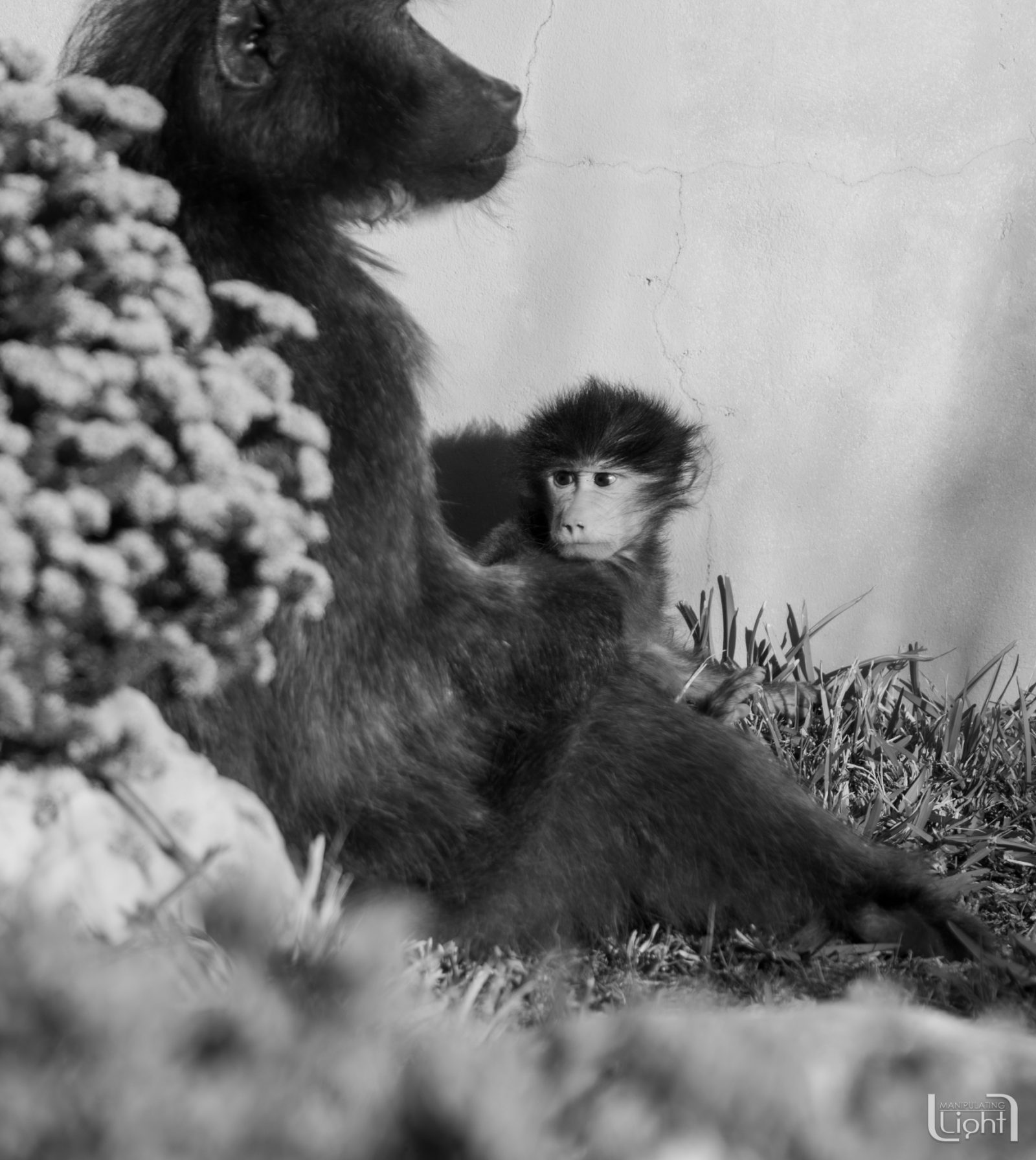
Individuals form close bonds, strengthened by grooming and playful interactions. The troop is led by an alpha male and female, with all members playing a part in the overall health of the group, whether through babysitting, guard duties, or defending against predators. Here in Rooiels, you can get a glimpse into their rich social lives and interactions.
Chacma Baboon populations are believed to be stable across the country, but in habitats like Rooiels, they face risks from human persecution, urban infrastructure such as electricity poles, dog attacks, and vehicle collision. Maintaining corridors for safe movement and avoiding incentives like accessible food is key to their long-term wellbeing.
Find out more about:
ℹ️ The Rooiels Coexistence Pathway
ℹ️ Or read our Baboon FAQs
Contact the Conservancy if you have a baboon-related question, or need advice.
🙋 How you can help
- Never feed baboons. This is the root of almost all conflict incidents.
- Don’t openly eat or carry food in the village, but if you have a scenario where a baboon wants your food, calmly drop it on the floor and back away. Don’t get into a tussle.
- Don’t approach, touch or challenge the baboons. Be calm and respectful.
- Keep your dogs leashed and under control.
- Lock your car doors when stationary, even if you’re inside.
- Drive slowly and carefully in the village.
- Only put refuse in a baboon proof bin.
- Educate visitors, guests and workers about how to behave around baboons.
- Never harm baboons.
Latest updates


Did You Know?
◻️ Baboons have diverse diets, including flowers, seeds, bulbs, insects and shellfish.
◻️ They communicate with a rich variety of barks, grunts, screams, gestures and stances.
◻️ A baboon baring its teeth with its lips pulled back is displaying a “fear grimace” – it is frightened, not aggressive. In a truly aggressive facial display, a baboon has its mouth open with teeth shown, and a direct stare with raised eyebrows or eyelids pulled back.
◻️ If an infant baboon is orphaned, it will often be adopted by another member of the troop.
About Chacma Baboons
Troops are structured around both male dominance hierarchies and female kinship networks. Females remain with the troop for their whole lives, while males either compete for breeding rights within their troop, establish themselves lower in the heirarchy or disperse to search for a new troop at 7-8 years old. Grooming, play, and cooperation are central to troop cohesion.
Baboons communicate with each other constantly. Beyond vocalisations, baboons also use facial expressions, body posture, and touch to signal intent, reassure others, or mediate disputes. Researchers studying Rooiels’ troop have observed how subtle gestures can prevent fights, and how juveniles use play to test social boundaries safely.
Baboons are opportunistic foragers, capable of exploiting a wide range of habitats. They can remember locations of seasonal food sources and navigate complex terrain efficiently, showing advanced spatial memory and problem-solving abilities.
Baboons are also long-lived for their size – they live for up to 35 years. Their life histories, social bonds, and adaptability make them fascinating subjects for understanding primate intelligence and social behaviour.
Life In The Wild
The troop begins and ends its day at one of the nine sleep sites around the village, and wakes at dawn. The priority is to meet energy needs – our troop spends about 50-60% of its day moving and feeding, and also needs to find drinking water every day. They can travel several kilometres in a day, seeking out widely dispersed, seasonal food.
While feeding, they’re also engineering the environment. Overturning stones, aerating the soil through digging, and dispersing seeds through their droppings. They play a pivotal role in the fynbos ecosystem.
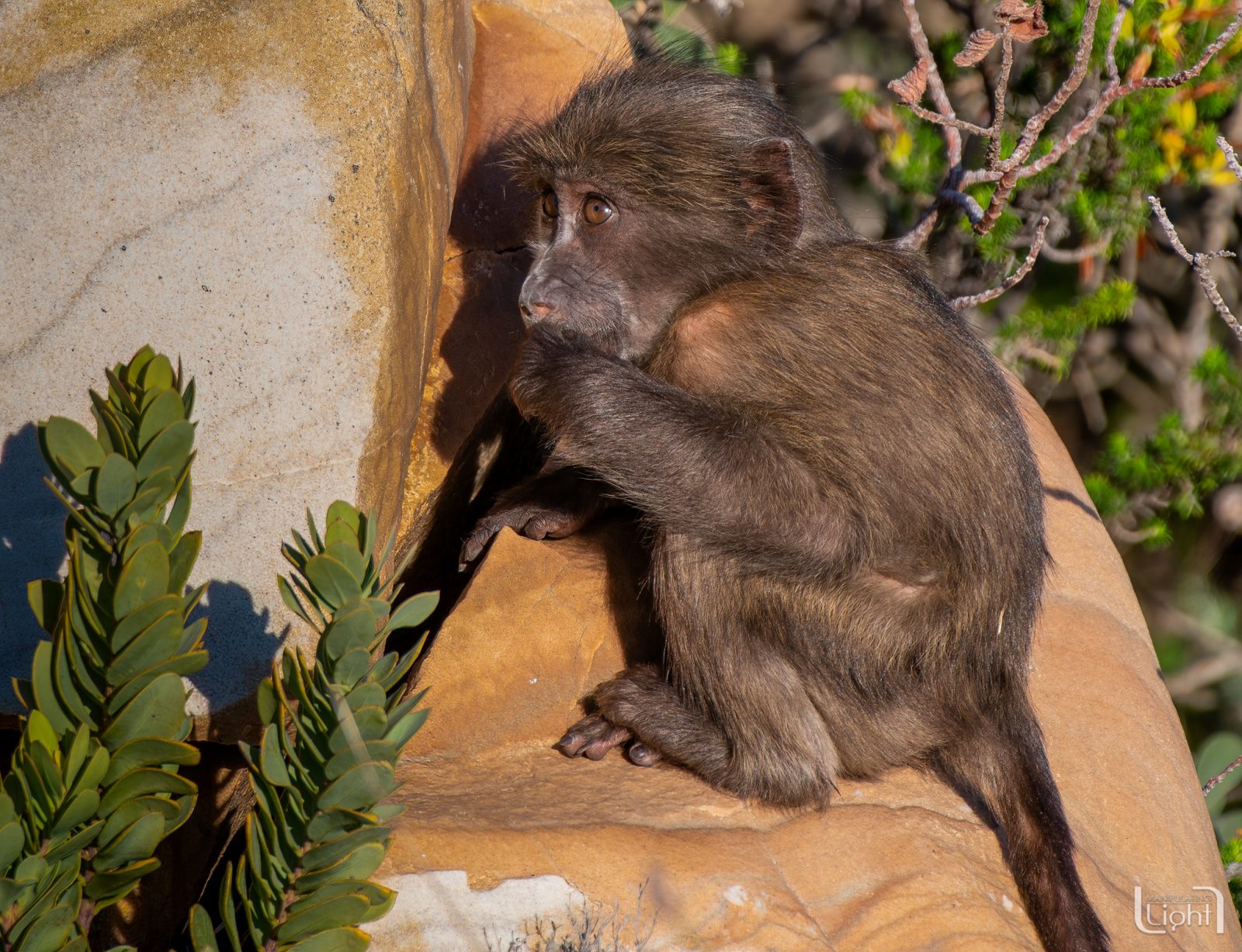
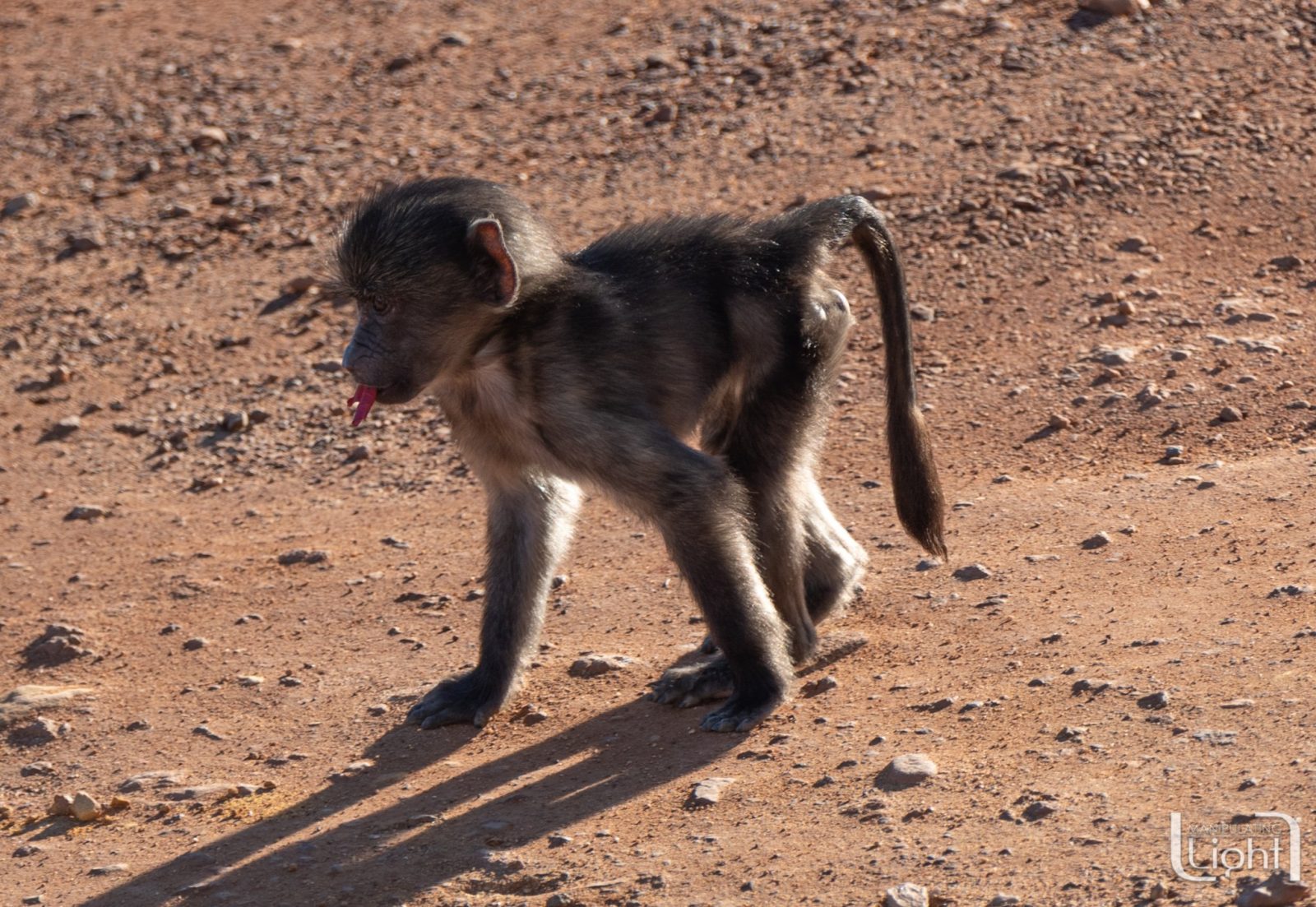
Life inside the troop is structured but fluid. Rank matters for both males and females, but most disagreements are settled through posture, vocalisations, displays or social pacification rather than fighting. Grooming occupies a large part of the day, and strengthens alliances, reduces tension, and reinforces social bonds. Young baboons spend hours chasing, wrestling and climbing, learning coordination and social limits in the process.
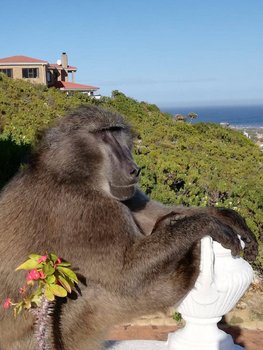
In Rooiels, their lives overlap with ours. Roads, houses, lawns and gardens are part of their habitat, and on average they spend about three hours per day in the village. Observing the troop from a safe distance, hearing their calls, seeing infants at play, or watching them forage is fascinating, entertaining and humbling. A tangible reminder of the wild heritage of our village and our own connection to nature.